Industrial Crushing Machines Guide: Choosing the Right Crushing Equipment
Industrial crushing machines play a vital role in modern manufacturing, mining, recycling, and construction industries. These machines reduce large rocks, minerals, concrete, and other materials into smaller sizes that are easier to transport, process, and reuse. As industries continue to improve productivity while reducing waste, crushing equipment has become more advanced, energy-efficient, and intelligent.
Whether materials are prepared for road construction, mineral processing, or recycling applications, selecting the right crushing equipment improves efficiency, safety, and material quality. Understanding the different machine types, applications, and industry developments helps organizations make informed operational decisions while supporting sustainable industrial practices.
Understanding Industrial Crushing Machines
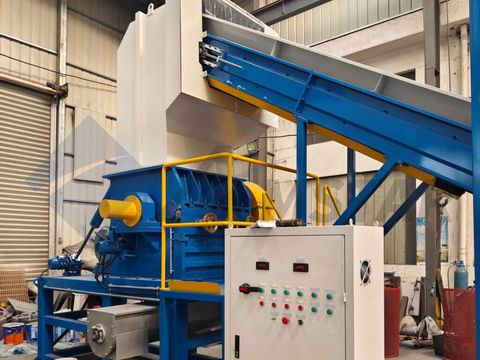
Industrial crushing machines are mechanical systems designed to break down large materials into smaller pieces through compression, impact, or shear force. These machines are widely used across industries where raw materials require size reduction before further processing.
Different materials require different crushing methods. Hard stones, ores, concrete, recycled asphalt, coal, limestone, and construction debris all have unique characteristics that influence machine selection.
Common industrial crushing machine types include:
| Crushing Machine | Typical Application | Key Advantage |
|---|---|---|
| Jaw Crusher | Primary crushing | Handles large hard materials |
| Cone Crusher | Secondary crushing | Produces uniform particle sizes |
| Impact Crusher | Soft to medium materials | High reduction ratio |
| Hammer Crusher | Coal and limestone | Simple operating principle |
| Roll Crusher | Fine crushing | Consistent product sizing |
| Mobile Crusher | On-site operations | Flexible movement between projects |
Modern crushing systems often include:
- Material feeding equipment
- Vibrating screens
- Conveyors
- Dust control systems
- Automated monitoring
- Safety protection systems
These integrated systems improve productivity while reducing downtime.
Importance of Industrial Crushing Machines
Industrial crushing equipment supports many sectors that rely on processed raw materials. Without effective crushing, many manufacturing and infrastructure projects would become less efficient.
Major industries benefiting from crushing equipment include:
- Mining
- Construction
- Infrastructure development
- Aggregate production
- Cement manufacturing
- Recycling facilities
- Quarry operations
- Industrial mineral processing
Key benefits include:
Improved Material Processing
Crushing machines create consistent particle sizes that improve downstream manufacturing and material handling.
Better Production Efficiency
Advanced crushing technology processes larger volumes with improved operational performance.
Waste Reduction
Construction and demolition materials can be crushed and reused, supporting circular economy initiatives.
Resource Conservation
Recycled aggregates reduce dependence on newly extracted natural resources.
Higher Equipment Automation
Modern crushing systems include intelligent monitoring that helps operators optimize machine performance.
Workplace Safety
Today's machines incorporate enclosed systems, emergency shutdown controls, and improved dust suppression technologies.
High-value industrial keywords naturally associated with this topic include industrial equipment, mining technology, aggregate processing, material handling systems, industrial automation, manufacturing technology, heavy machinery, industrial engineering, recycling equipment, and production efficiency.
Recent Updates in Industrial Crushing Technology
Industrial crushing equipment has experienced significant technological improvements throughout the past year.
Several major trends observed during 2025–2026 include:
Smart Machine Monitoring
Manufacturers continue integrating sensors that monitor:
- Machine vibration
- Bearing temperature
- Production rates
- Wear conditions
- Power consumption
These systems assist operators in identifying maintenance needs before unexpected interruptions occur.
Energy-Efficient Designs
New crushing systems emphasize reduced energy consumption while maintaining high production capacity. Improved motor technologies and optimized crushing chambers contribute to better operational efficiency.
Mobile Crushing Plants
Portable crushing solutions continue gaining popularity for infrastructure, quarry, and recycling projects because they reduce transportation requirements and improve operational flexibility.
Advanced Dust Suppression
Environmental awareness has encouraged wider adoption of improved dust control technologies using enclosed conveyors, misting systems, and filtration equipment.
Digital Control Systems
Modern industrial facilities increasingly connect crushing equipment with centralized digital monitoring platforms, allowing operators to observe production data in real time.
Sustainable Material Processing
The growing use of recycled concrete, asphalt, and construction waste has increased demand for crushing equipment specifically designed for recycling operations.
These developments reflect broader industry priorities focused on productivity, sustainability, automation, and environmental responsibility.
Laws and Policies Affecting Industrial Crushing Equipment
Industrial crushing operations are subject to various regulations depending on the country and industry sector.
Although specific requirements differ by region, common regulatory areas include:
Workplace Safety Regulations
Industrial machinery must comply with occupational safety standards covering:
- Machine guarding
- Emergency stop systems
- Worker protection
- Safe operating procedures
- Maintenance protocols
Environmental Regulations
Crushing facilities often follow environmental rules addressing:
- Dust emissions
- Noise control
- Waste management
- Water usage
- Air quality monitoring
Equipment Certification
Industrial machinery may require compliance with recognized engineering and manufacturing standards before operation.
Recycling and Waste Policies
Many governments encourage recycling through policies supporting the reuse of construction and demolition materials. Crushing equipment contributes by converting waste into reusable aggregates.
Energy Efficiency Programs
Several industrial development initiatives encourage the adoption of energy-efficient manufacturing equipment that reduces overall industrial power consumption.
Organizations should remain informed about national environmental authorities, industrial safety agencies, and local operational requirements relevant to crushing operations.
Tools and Resources for Industrial Crushing Operations
Various tools help improve planning, monitoring, maintenance, and operational efficiency.
Useful resources include:
| Tool Type | Purpose |
|---|---|
| Material Size Calculators | Estimate output particle sizes |
| Capacity Estimation Tools | Calculate production requirements |
| Equipment Selection Templates | Compare machine specifications |
| Preventive Maintenance Checklists | Improve equipment reliability |
| Energy Consumption Calculators | Evaluate operational efficiency |
| Production Monitoring Dashboards | Track machine performance |
| Safety Inspection Templates | Support workplace compliance |
| Equipment Lifecycle Planning Tools | Schedule maintenance activities |
Additional educational resources include:
- Engineering handbooks
- Industrial equipment manuals
- Technical training materials
- Industry publications
- Manufacturing webinars
- Equipment maintenance guides
- Process engineering documentation
Using structured planning resources supports better operational decisions while improving long-term equipment performance.
Frequently Asked Questions
What is the primary purpose of industrial crushing machines?
Industrial crushing machines reduce large materials into smaller sizes suitable for processing, transportation, recycling, or manufacturing applications.
Which industries commonly use crushing equipment?
Mining, construction, quarrying, cement manufacturing, infrastructure development, recycling, and aggregate production frequently use crushing equipment.
How do jaw crushers differ from cone crushers?
Jaw crushers generally perform primary crushing of larger materials, while cone crushers are commonly used for secondary crushing to achieve finer and more uniform output.
Why is automation becoming important in crushing equipment?
Automation helps monitor equipment health, optimize production, reduce downtime, improve operational efficiency, and support predictive maintenance.
How does crushing equipment contribute to sustainability?
Modern crushing systems help recycle construction waste, reduce landfill materials, conserve natural resources, and improve energy efficiency during material processing.
Conclusion
Industrial crushing machines remain essential components of modern manufacturing, mining, construction, and recycling industries. Their ability to process raw materials efficiently supports infrastructure development, resource conservation, and industrial productivity.