Industrial Plastic Molding: Explore Advanced Injection Molding Technologies
Industrial plastic molding is a manufacturing process used to transform plastic materials into shaped components. Among the different molding methods, plastic injection molding is one of the most widely used technologies for producing repeatable parts with detailed shapes and consistent dimensions.
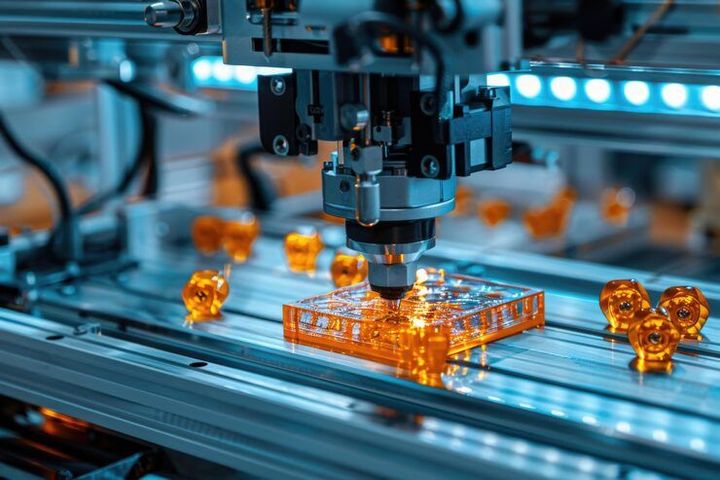
The basic process involves placing plastic resin into a molding machine, heating it until it becomes sufficiently fluid, and injecting it into a specially shaped mold. After cooling and solidification, the molded component is removed and prepared for its intended application.
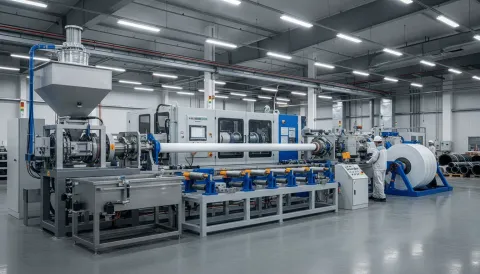
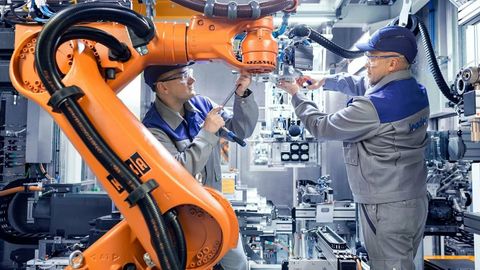
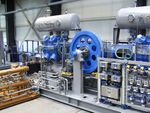
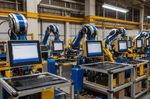
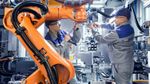
Modern injection molding machines can include computer-controlled systems, automated material handling, sensors, robotic part removal, and process-monitoring software. These technologies help manufacturers maintain stable processing conditions and identify variations during production.
Common plastic materials used in industrial molding include:
- Polypropylene (PP)
- Polyethylene (PE)
- Acrylonitrile butadiene styrene (ABS)
- Polycarbonate (PC)
- Polyamide or nylon (PA)
- Polyoxymethylene (POM)
- Polyethylene terephthalate (PET)
- Engineering plastics and reinforced polymer compounds
The choice of material depends on properties such as strength, flexibility, heat resistance, chemical resistance, electrical insulation, and dimensional stability.
Plastic molding exists because many industries need lightweight components that can be produced with consistent geometry. The technology can be adapted to small precision components as well as larger industrial parts.Importance
Industrial plastic molding plays an important role across manufacturing because molded components are used in products ranging from household equipment to sophisticated industrial systems.
The automotive sector uses molded plastic components for interior panels, housings, connectors, clips, ducts, and other parts. Electronics manufacturing uses injection molding for protective housings, connectors, switches, and structural components.
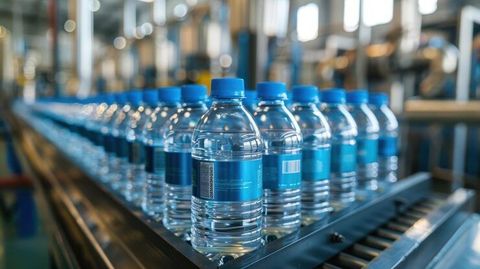
Packaging is another major application. Containers, closures, caps, trays, and other plastic packaging components can be manufactured through different molding processes.
Medical and laboratory equipment can also require precisely molded polymer components. In such applications, dimensional control, material selection, cleanliness, and process documentation can be particularly important.
Advanced molding technology addresses several manufacturing challenges:
- Consistent part dimensions
- Complex component geometries
- Automated production processes
- Repeatable processing conditions
- Reduced material waste
- Better process monitoring
- Integration with factory automation
- Production of engineering-plastic components
A major development is the increasing connection between injection molding machines and digital manufacturing systems. Sensors can monitor temperature, pressure, cycle conditions, and other variables. Production information can then be reviewed to identify process deviations.
Common Industrial Molding Technologies
| Technology | Typical characteristic | Common applications |
|---|---|---|
| Injection molding | High repeatability and complex shapes | Components, housings, packaging |
| Blow molding | Hollow plastic structures | Bottles, containers |
| Compression molding | Material formed under pressure | Composite and thermoset parts |
| Rotational molding | Large hollow components | Tanks, containers |
| Insert molding | Combines plastic with another component | Connectors, technical parts |
| Overmolding | Adds plastic around an existing component | Handles, grips, protected assemblies |
Selecting an appropriate molding process depends on the component design, polymer characteristics, production requirements, and quality specifications.
Recent Updates
The plastic manufacturing sector has increasingly focused on smart manufacturing, automation, material efficiency, recycling, and digital process control during 2025 and 2026.
In February 2026, PLASTINDIA 2026 took place in New Delhi from February 5–10. The Government of India reported that a Plastic Industry Status Report 2025 was released during the event, with discussions emphasizing technology, sustainability, and reduction of manufacturing waste.
Another important development is the expansion of digital monitoring for plastic waste management. India's Central Pollution Control Board has continued developing online systems covering Plastic Waste Management Rules, reporting, monitoring, and Extended Producer Responsibility requirements.
The movement toward Industry 4.0 injection molding is also influencing equipment design. Modern systems increasingly incorporate:
- Machine sensors
- Automated quality inspection
- Digital production records
- Predictive maintenance concepts
- Robotic material handling
- Energy monitoring
- Process data analysis
- Closed-loop process control
Material development is another important trend. Engineering plastics, reinforced polymers, recycled-content materials, and bio-based polymer research are receiving increasing attention. Material selection, however, needs to consider the required mechanical and thermal properties rather than relying only on environmental claims.
Energy efficiency is also becoming more relevant. Electric and hybrid injection molding machines can provide precise control of machine movements, while modern hydraulic systems may incorporate variable-speed drives and improved control systems.
For manufacturers, the broader trend is toward connecting molding equipment with digital production systems so that process information can be monitored and analyzed instead of relying entirely on manual inspection.
Laws or Policies
Regulatory requirements depend on the country, application, polymer, and final product. In India, plastic manufacturing is particularly connected with the Plastic Waste Management Rules, 2016, together with subsequent amendments.
The Ministry of Environment, Forest and Climate Change maintains records of amendments to the Plastic Waste Management Rules, including amendments issued in 2021, 2022, 2023, and later years.
The Plastic Waste Management Amendment Rules, 2024 introduced changes related to registration, reporting, plastic raw-material manufacturers and importers, recycled content, and Extended Producer Responsibility requirements. The notification also includes requirements relating to micro and small producers in specified circumstances.
Extended Producer Responsibility, commonly called EPR, is an important part of India's plastic-packaging framework. It places specified responsibilities on producers, importers, and brand owners concerning the environmentally sound management of plastic packaging after use.
In 2026, India's broader waste-management framework also saw changes. The Solid Waste Management Rules, 2026 were notified in January 2026 and came into effect from April 1, 2026. The framework incorporates circular-economy principles and strengthens requirements around waste segregation and management.
Plastic molding facilities should therefore distinguish between manufacturing requirements and plastic-waste obligations. The applicable rules can vary depending on whether a facility manufactures plastic products, processes packaging, uses recycled material, or falls within another regulated category.
Tools and Resources
Several general tools can help students, engineers, designers, and manufacturing professionals understand or evaluate plastic molding processes.
Injection Molding Calculators
Online engineering calculators can help estimate parameters such as:
- Injection pressure
- Clamp force
- Shot volume
- Cooling time
- Material volume
- Mold filling requirements
These calculations should be treated as engineering estimates and verified against actual machine and material data.
Mold Design Software
Computer-aided design and mold-flow analysis tools can help visualize how molten polymer may fill a mold. Such tools can identify potential issues involving filling patterns, cooling, shrinkage, weld lines, and pressure.
Material Databases
Polymer material databases provide information about:
- Melt temperature ranges
- Mechanical properties
- Thermal characteristics
- Density
- Chemical resistance
- Processing recommendations
Material datasheets should be checked before establishing production parameters.
Process Monitoring Tools
Digital sensors and machine-monitoring platforms can record temperature, pressure, cycle time, energy consumption, and other production variables. Historical data can help identify process changes and support quality investigations.
Learning Resources
Useful educational resources include:
- Polymer engineering textbooks
- Mold-design guides
- Manufacturing standards
- Engineering calculation worksheets
- Machine manuals
- Polymer technical datasheets
- Government environmental regulations
- Industrial safety guidance
- Quality-control templates
These resources provide a foundation for understanding both the technical and regulatory aspects of industrial plastic molding.
FAQs
What is industrial plastic molding?
Industrial plastic molding is a manufacturing method that shapes polymer materials into specific components. Injection molding is one widely used approach in which heated plastic is injected into a mold and cooled until it forms the required shape.
What plastics are commonly used in injection molding?
Common materials include polypropylene, polyethylene, ABS, polycarbonate, nylon, POM, and PET. The appropriate polymer depends on mechanical strength, temperature exposure, chemical resistance, flexibility, electrical requirements, and the intended application.
How does automation improve injection molding?
Automation can assist with material handling, part removal, inspection, machine monitoring, and production data collection. It can reduce repetitive manual activities and help maintain consistent process conditions.
What is smart injection molding?
Smart injection molding combines molding equipment with sensors, digital controls, data collection, and automated analysis. The objective is to monitor process conditions and identify changes more quickly than conventional manual monitoring.
Why is plastic recycling relevant to molding?
Recycling is relevant because plastic components and manufacturing scrap can contribute to overall plastic waste. Depending on the material and application, suitable recycled polymers may be incorporated into some manufacturing processes, subject to technical and regulatory requirements.
Conclusion
Industrial plastic molding continues to develop as manufacturers adopt advanced injection molding technologies, automation, digital monitoring, improved materials, and more efficient production methods.Injection molding remains important because it can create complex plastic components with consistent dimensions and repeatable processing conditions. However, selecting the correct material, mold design, machine configuration, and process parameters is essential for achieving the required component characteristics.