Laboratory Analytical Equipment: Explore Advanced Instruments, Uses and Technology
Laboratories use analytical instruments to examine many materials. These instruments help researchers identify substances, measure their properties, and understand the composition of different samples. Laboratory analytical equipment plays an important role in scientific research, healthcare, education, manufacturing, and environmental studies.
Modern laboratories use different instruments depending on their testing requirements. Some devices measure chemical concentrations, while others examine physical properties, biological materials, or microscopic structures. Understanding these technologies helps individuals recognize how scientific testing works and why suitable equipment matters.
People researching lab supplies online may encounter a wide range of instruments designed for different applications. Laboratories equipment suppliers generally provide information about instrument categories, specifications, operating requirements, and compatible accessories. Understanding these details is useful when evaluating scientific equipment for educational or professional environments.
Importance of Analytical Instruments in Modern Laboratories
Analytical instruments support reliable testing and organized research activities. They help laboratory professionals collect measurable information instead of depending entirely on visual observations or manual calculations.
Supporting Scientific Research
Scientific research often involves examining samples under controlled conditions. Analytical equipment helps researchers measure chemical properties, identify materials, and compare experimental results.
For example, spectroscopy instruments examine how materials interact with light. Chromatography systems separate mixtures into individual components, making further examination possible. These methods are used in chemistry, pharmaceutical research, food analysis, and environmental investigations.
Improving Quality Control
Manufacturing industries use laboratory instruments to examine raw materials and finished products. Testing helps identify differences in composition, purity, consistency, and other important characteristics.
Quality control laboratories may examine food ingredients, industrial chemicals, metals, water samples, and electronic materials. Consistent testing procedures help organizations evaluate whether materials meet established specifications.
Supporting Education and Training
Educational laboratories introduce students to scientific methods and measurement techniques. Instruments such as microscopes, balances, pH meters, and basic spectrophotometers help learners understand practical scientific concepts.
Common Types of Laboratory Analytical Equipment
Different instruments perform specific analytical tasks. Their selection depends on the sample type, testing purpose, measurement range, and required level of precision.
Spectrophotometers
Spectrophotometers measure how much light a sample absorbs or transmits at selected wavelengths. They are commonly used in chemical analysis, biological research, water testing, and educational laboratories.
Chromatography Systems
Chromatography separates the components of a mixture so they can be examined individually. Common systems include gas chromatography and high-performance liquid chromatography.
These instruments are used in food testing, chemical research, environmental analysis, and pharmaceutical quality assessment.
Microscopes
Microscopes enlarge small objects that cannot be examined clearly with the unaided eye. Optical microscopes use visible light, while electron microscopes use electron beams to examine much finer structures.
Analytical Balances
Analytical balances measure small quantities of materials with high sensitivity. They are important in laboratories where accurate sample preparation and measurement are necessary.
pH Meters
pH meters measure how acidic or alkaline a liquid sample is. They are commonly used in water analysis, food production, chemical laboratories, agriculture, and educational research.
Mass Spectrometers
Mass spectrometers examine ions according to their mass-to-charge ratios. They help identify chemical compounds and study the composition of complex samples.
Modern Technologies Transforming Laboratory Analysis
Laboratory equipment continues to develop through improvements in automation, digital measurement, software, and instrument connectivity. These developments are changing how laboratories collect, process, and manage scientific information.
Automation and Smart Instrumentation
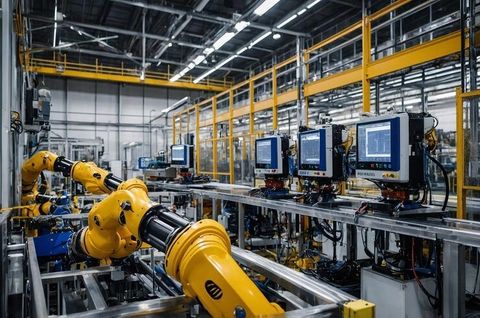
Automated laboratory systems can perform repeated analytical steps with reduced manual involvement. Depending on the instrument, automation may support sample preparation, measurement, data recording, and routine workflows.
Automation can improve workflow consistency, although proper calibration, maintenance, and operator supervision remain important.
Artificial Intelligence and Data Analysis
Artificial intelligence is increasingly being explored for laboratory data processing and pattern recognition. Software-based tools can help researchers organize large datasets, identify unusual results, and examine relationships between measurements.
However, automated analysis requires appropriate data, validation, and human review before conclusions are accepted.
Digital Connectivity
Modern instruments may include digital displays, computer interfaces, and laboratory information management system connectivity. These features help laboratories organize results, maintain records, and improve information accessibility.
Comparison of Common Analytical Instruments
The following table summarizes several instrument categories and their typical applications.
| Instrument | Primary Function | Common Application |
|---|---|---|
| Spectrophotometer | Measures light absorption | Chemical analysis |
| Chromatography system | Separates mixtures | Sample composition testing |
| Microscope | Magnifies small structures | Biological research |
| Analytical balance | Measures sample mass | Laboratory preparation |
| pH meter | Measures acidity or alkalinity | Water analysis |
| Mass spectrometer | Examines ion mass-to-charge ratios | Compound identification |
Each instrument has different operating requirements and measurement capabilities. Laboratories should select equipment according to their actual testing procedures rather than relying only on general descriptions.
Factors to Consider When Purchasing Laboratory Equipment
Purchasing laboratory equipment requires an understanding of the intended application, technical requirements, and long-term operating conditions. Comparing specifications helps laboratories make informed decisions.
Testing Requirements
The first consideration is the purpose of the instrument. Laboratories should identify the materials being examined, the measurements required, and the expected testing frequency.
Accuracy and Measurement Range
Different instruments have different measurement ranges and performance specifications. Reviewing accuracy, sensitivity, resolution, and repeatability helps determine whether an instrument is appropriate for a particular analytical task.
Calibration and Maintenance
Regular calibration helps maintain measurement reliability. Laboratories should understand calibration procedures, maintenance schedules, replacement components, and the availability of technical documentation.
Compatibility and Safety
Equipment should be compatible with existing laboratory systems, sample containers, electrical requirements, and operating environments. Safety features and manufacturer instructions should also be reviewed before installation.
Supplier Information
When comparing laboratories equipment suppliers and scientific instrument distributors, users should examine technical specifications, documentation, warranty conditions, installation requirements, and instrument support arrangements.
Reliable information is particularly important when purchasing lab equipment for specialized testing environments.
Recent Developments in Laboratory Equipment
Recent laboratory developments reflect growing interest in automation, connected instruments, miniaturized testing systems, and improved data management.
Portable analytical devices are becoming increasingly relevant for applications that require measurements outside traditional laboratory settings. These systems can support field investigations, environmental monitoring, and preliminary sample examination.
Another important development involves automated sample handling. Laboratories are exploring integrated systems that connect sample preparation, analytical instruments, and digital reporting platforms.
Sustainable laboratory practices are also receiving attention. Energy-efficient equipment, reduced material waste, and improved resource management are becoming relevant considerations when laboratories evaluate their operating procedures.
These developments do not eliminate the need for trained operators, instrument validation, and appropriate testing methods.
Frequently Asked Questions
1. What is laboratory analytical equipment?
Laboratory analytical equipment includes instruments used to examine samples, measure physical or chemical properties, and identify material compositions.
2. What are the most commonly used laboratory instruments?
Common examples include microscopes, spectrophotometers, analytical balances, pH meters, chromatography systems, and centrifuges.
3. What should laboratories consider when purchasing lab equipment?
Important considerations include testing requirements, accuracy, measurement range, calibration, maintenance, compatibility, safety, and technical documentation.
4. How do scientific instrument distributors support laboratories?
Scientific instrument distributors can provide product specifications, technical documentation, equipment information, and guidance about installation and maintenance requirements.
5. Why is laboratory equipment calibration important?
Calibration helps verify instrument measurements against recognized reference standards. Regular checks support consistent results and help identify measurement deviations.
Conclusion
Laboratory analytical equipment supports scientific research, quality control, education, and environmental testing across many industries. Different instruments perform specialized functions, from examining microscopic structures to measuring chemical properties and identifying sample compositions.