Luxury Cruise Experiences: Destinations, Travel Tips and Trends
Luxury cruise experiences combine ocean or river travel with comfortable accommodation, carefully planned dining, cultural activities, and personalized travel arrangements. Instead of focusing only on transportation between destinations, these journeys make the ship and the places it visits important parts of the holiday.
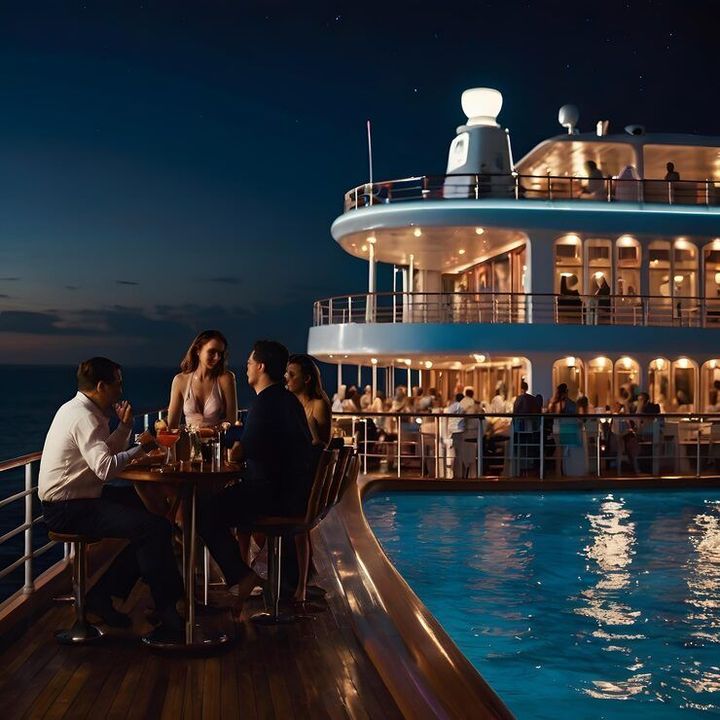
Cruise ships range from large vessels with restaurants, theatres, pools, and wellness facilities to smaller ships designed for quieter journeys and access to less crowded ports. Some itineraries explore famous coastal cities, while others focus on remote islands, wildlife, historic waterways, or polar landscapes.
The meaning of luxury also differs between travelers. For some, it means a spacious private cabin and attentive hospitality. For others, it means peaceful surroundings, exceptional food, interesting excursions, or more time to understand local cultures.
How Luxury Cruises Work
A cruise follows a planned route with scheduled departure times, ports of call, and a final destination. Passengers usually stay in the same cabin throughout the journey while the ship travels between locations.
Common features include:
Spacious cabins, suites, and ocean-view accommodation.
Restaurants serving regional and international dishes.
Wellness areas, swimming pools, and fitness facilities.
Guided excursions to historic sites and natural attractions.
Cultural presentations, live entertainment, and educational activities.
Dedicated spaces for relaxation, reading, and social gatherings.
The exact facilities depend on the vessel and itinerary. Some journeys include selected meals and excursions in the fare, while others charge separately for particular activities, drinks, or experiences. Reviewing the inclusions before departure helps travelers understand what to expect.
Why Luxury Cruise Travel Matters Today
Cruise travel brings accommodation, transportation, dining, and sightseeing together in one journey. This arrangement can simplify travel planning, particularly for people who want to explore several destinations without repeatedly changing hotels.
Luxury cruise holidays may appeal to couples, families, solo travelers, older adults, and people celebrating special occasions. The best choice depends on individual interests, mobility needs, preferred travel pace, and the destinations being visited.
Comfort and Convenience
A cruise allows passengers to unpack once and visit several places during a single trip. Onboard facilities provide opportunities to rest between excursions, while planned schedules help travelers organize their days.
However, convenience does not mean every activity is included or every destination is easy to reach. Transfers, accessibility arrangements, and excursion requirements should be checked before departure.
Cultural Discovery
Cruises can introduce travelers to different languages, cuisines, architectural styles, and traditions. A Mediterranean itinerary might combine historic European cities with coastal villages, while an Asian voyage could explore island communities, traditional markets, and important cultural landmarks.
Smaller-group excursions and longer port stays may give passengers more time to understand local life. Respectful behavior, appropriate clothing at religious sites, and awareness of local customs help make these encounters more meaningful.
Travel for Different Interests
Modern cruise itineraries often reflect particular interests rather than focusing only on sightseeing.
Food and culture: Regional cooking, local markets, museums, and historic neighborhoods.
Nature and wildlife: Scenic coastlines, glaciers, national parks, and guided wildlife observation.
Wellness: Fitness sessions, spa facilities, quiet spaces, and relaxation activities.
Family travel: Educational excursions, supervised activities where available, and shared experiences.
Adventure: Kayaking, hiking, snorkeling, and guided exploration, depending on the destination.
Travelers should consider their physical abilities and the level of activity involved before choosing an excursion.
Popular Luxury Cruise Destinations
Different destinations provide different experiences throughout the year. Weather, sailing schedules, local events, and seasonal wildlife patterns can all influence the ideal itinerary.
Destination comparison for cruise planning
Destination | Main attractions | Planning consideration |
|---|---|---|
Mediterranean | Historic cities, coastal scenery, art, and cuisine | Summer crowds and high temperatures |
Greek Islands | Beaches, archaeological sites, and island villages | Seasonal port congestion |
Alaska | Glaciers, forests, mountains, and wildlife | Shorter main cruise season |
Norwegian Fjords | Dramatic landscapes, waterfalls, and coastal towns | Changeable weather |
Danube River | European capitals, castles, and historic towns | River conditions and seasonal water levels |
Antarctica | Ice formations, wildlife, and expedition activities | Strict environmental rules and limited seasonal access |
Southeast Asia | Tropical islands, cultural landmarks, and regional food | Humidity, monsoon patterns, and local entry requirements |
Mediterranean and Greek Islands
Mediterranean cruises combine cultural heritage with seaside scenery. Travelers may explore ancient ruins, historic city centers, art collections, and regional food traditions.
The Greek Islands offer a different experience at each port, from archaeological landmarks to quiet coastal settlements. Travelers seeking a slower pace can consider itineraries that include smaller islands or longer stays rather than visiting many crowded ports in a short period.
Alaska and Northern Europe
Alaska appeals to travelers interested in glaciers, forests, mountain views, and opportunities to observe wildlife responsibly. Shore excursions may include scenic rail journeys, guided nature walks, and visits to coastal communities.
Northern European cruises, particularly those through Norwegian fjords, offer dramatic landscapes and opportunities to explore local history. Because weather can change quickly, suitable layers and waterproof clothing are useful throughout the journey.
River Cruises and Expedition Voyages
River cruises travel through inland waterways, often bringing passengers close to historic towns and cultural attractions. They can provide a slower alternative to large ocean ships.
Expedition cruises focus on remote environments and educational exploration. Antarctica and Arctic itineraries may involve specialized equipment, variable conditions, and strict limits on visitor activity. These journeys require particularly careful preparation.
Essential Luxury Cruise Travel Tips
Good preparation can make a cruise more comfortable and help reduce unexpected difficulties.
Choose the Right Itinerary
Start with the destinations you want to experience rather than choosing a ship based only on its facilities. Compare the route, departure season, number of port days, time spent ashore, and overall journey length.
Check whether the itinerary includes tender ports, where smaller boats transport passengers between the ship and shore. This can affect accessibility and excursion timing.
Understand Cabin Types and Inclusions
Cabin categories differ in space, location, views, and access to certain facilities. A balcony cabin may suit travelers who enjoy private outdoor space, while a quieter interior cabin may be appropriate for passengers who spend most of their time exploring.
Read the itinerary and booking terms carefully. Confirm the treatment of gratuities, beverages, specialty dining, internet access, shore excursions, transfers, and cancellation arrangements.
Prepare Travel Documents
Before departure, check:
Passport validity and any remaining-validity requirements.
Visa or electronic travel authorization requirements for each destination.
Travel insurance coverage, including medical evacuation where appropriate.
Vaccination or health documentation, if required for the route.
Boarding instructions, luggage limits, and emergency contact details.
Requirements vary by nationality, destination, transit point, and itinerary. Confirm them with the relevant government authorities before traveling.
Pack for Comfort and Safety
Pack according to the climate, planned activities, and dress expectations onboard. Comfortable walking shoes, sun protection, appropriate layers, and essential medications can be helpful.
Keep travel documents, important medication, valuables, and a change of clothes in your carry-on luggage. Follow the ship's safety briefing and learn where emergency exits and assembly points are located.
Plan Shore Excursions Carefully
Excursions should match your interests, mobility, and available time. Allow sufficient time to return to the ship before its stated departure. When exploring independently, understand local transport options and the consequences of missing the scheduled boarding time.
Travel insurance may help with certain unexpected disruptions, but coverage varies by policy. Review exclusions and limits before relying on it.
Recent Luxury Cruise Trends in 2025–2026
Luxury cruise travel is evolving as passengers look for more personal, destination-focused, and environmentally responsible experiences. Industry developments during the past year show growing interest in smaller ships, cultural discovery, wellness, and improved onboard technology.
More Meaningful Travel Experiences
In January 2026, travel reporting highlighted growing interest in less-visited destinations, slower journeys, themed voyages, and deeper cultural connections. Some itineraries emphasize local food, history, nature, or special interests instead of simply visiting as many ports as possible.
Growth in Global Cruise Travel
On April 15, 2026, the Cruise Lines International Association reported that worldwide cruise passenger volume reached 37.2 million in 2025. Its report also described continued investment in ships, technology, and destination partnerships. These figures indicate strong interest in cruise holidays, although demand varies by region and travel category.
Sustainability and Cleaner Technology
Cruise operators and ports are paying greater attention to emissions, energy efficiency, waste handling, and shore-side electricity. Some vessels use battery systems or alternative fuels, while ports are developing infrastructure that allows compatible ships to connect to electrical power while docked.
These changes are ongoing. Environmental performance differs between vessels, so travelers should look for specific information rather than assuming that every modern cruise is environmentally sustainable.
Wellness and Flexible Itineraries
Wellness activities, quieter onboard environments, and longer stays at selected destinations are becoming more visible in cruise planning. Travelers can increasingly find voyages focused on relaxation, food, outdoor activities, or particular cultural interests.
These developments reflect broader travel preferences, but not every trend is available on every ship or route.
Laws and Policies Affecting Cruise Travel
Cruise journeys can involve several countries, making it important to understand the regulations that apply to passengers, vessels, and destinations.
Passenger Entry and Immigration Rules
Travelers must comply with passport, visa, customs, and immigration requirements for the countries on their itinerary. Some destinations also require electronic travel authorization or additional documentation.
Rules depend on nationality and route. A transit stop may have different entry requirements from a longer visit, so passengers should confirm the rules for every port.
Maritime Safety Regulations
International maritime safety frameworks establish requirements for passenger ships, emergency procedures, navigation, and crew training. The International Convention for the Safety of Life at Sea, commonly known as SOLAS, is a major international framework governing ship safety.
Passengers should attend mandatory safety briefings, follow crew instructions, and comply with onboard restrictions.
Environmental Protection
International maritime pollution rules address issues such as oil discharge, sewage, garbage, and air pollution from ships. Special environmental protections may apply in sensitive marine regions.
For example, Antarctic tourism is subject to international and national rules intended to protect its fragile environment. Travelers on expedition cruises should follow wildlife-distance guidance, landing restrictions, and waste-prevention instructions.
Local Port Regulations and Passenger Taxes
Some destinations regulate cruise arrivals to manage congestion, protect historic areas, or reduce pressure on local infrastructure. Port fees, visitor taxes, ship-size restrictions, and arrival limits can change over time.
Check the current requirements for the specific route, as local policies may affect port access, excursions, and the final itinerary.
Tools and Resources for Cruise Planning
Travelers can use several types of resources to organize a luxury cruise without overlooking essential details.
Itinerary comparison worksheets: Compare destinations, sailing dates, port durations, cabin categories, and included amenities.
Travel budget planners: Record the total expected expenditure, including transport to the departure port, onboard extras, insurance, and excursions.
Weather and climate tools: Review seasonal temperatures, rainfall, daylight hours, and storm risks for each destination.
Passport and visa checklists: Track document validity and entry requirements for every country visited.
Packing templates: Create separate lists for formal clothing, casual wear, outdoor equipment, medications, and travel documents.
Accessibility checklists: Confirm cabin access, mobility arrangements, excursion difficulty, and medical facilities.
Environmental guidance: Consult official maritime and destination authorities for protected-area rules and responsible wildlife viewing.
Keeping these details in one travel document makes it easier to compare itineraries and prepare for changes. Always verify important information with the relevant official authorities and the cruise operator before departure.
Frequently Asked Questions
What makes a luxury cruise different from a regular cruise?
Luxury cruises generally emphasize spacious accommodation, attentive hospitality, dining experiences, and carefully selected itineraries. However, the facilities and inclusions vary by vessel, so travelers should compare the actual arrangements.
Which destinations are best for a luxury cruise?
The Mediterranean, Greek Islands, Alaska, Norwegian fjords, Danube River, and selected Southeast Asian routes are popular choices. The best destination depends on preferred activities, climate, travel dates, and interests.
When is the best time to take a luxury cruise?
The ideal season depends on the destination. Mediterranean voyages are particularly popular during warmer months, while Alaska has a defined main cruising season. Travelers should compare seasonal weather, crowds, and local events before selecting dates.
What should travelers pack for a luxury cruise?
Useful items include comfortable walking shoes, climate-appropriate clothing, sun protection, travel documents, medications, and any required activity equipment. Packing needs depend on the itinerary and onboard dress expectations.
Are luxury cruises environmentally responsible?
Environmental performance varies by ship, route, fuel, and operating practices. Travelers can review emissions-reduction measures, waste-management procedures, and environmental policies, while following local conservation rules during excursions.
Conclusion
Luxury cruise experiences combine comfortable travel with opportunities to explore coastlines, historic cities, islands, rivers, and remote natural environments. Choosing the right destination, understanding itinerary details, preparing travel documents, and planning excursions carefully can help create a rewarding journey.