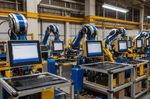
MIG Welding Machines: Types, Uses, Benefits and Trends
MIG welding machines are widely used pieces of industrial equipment designed to join metal components through a controlled welding process. MIG stands for Metal Inert Gas welding, a technique that uses a continuously fed wire electrode and a shielding gas to create strong and clean welds.
The technology was developed to improve welding efficiency and reduce the complexity associated with traditional welding methods. Over time, MIG welding became one of the most commonly used welding processes because it is relatively easy to learn, provides consistent results, and can be applied to various metal types.
Today, MIG welding machines are used in manufacturing facilities, construction projects, automotive production, metal fabrication, infrastructure development, and maintenance operations. Their ability to produce accurate welds at high speeds makes them an important part of modern industrial processes.
The primary purpose of MIG welding technology is to simplify metal joining while maintaining quality and productivity. This has helped industries improve operational efficiency and support large-scale production requirements.
Why MIG Welding Machines Matter Today
Modern industries rely heavily on metal structures and components. From transportation systems to industrial machinery, welded metal parts form the backbone of countless products and projects.
MIG welding machines help address several important challenges:
- Faster welding compared to many traditional methods
- Improved consistency in weld quality
- Reduced material waste
- Better productivity in manufacturing environments
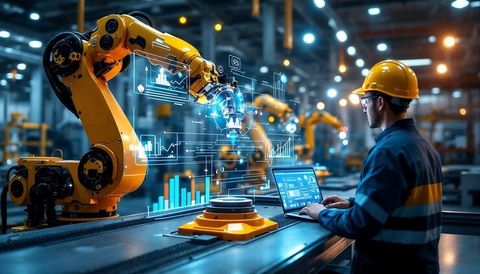
- Support for automation and robotic systems
The impact of MIG welding extends across multiple sectors.
Industries That Depend on MIG Welding
| Industry | Common Applications |
|---|---|
| Automotive | Vehicle frames, body panels, exhaust systems |
| Construction | Structural steel fabrication |
| Manufacturing | Equipment and machinery production |
| Shipbuilding | Hull structures and metal assemblies |
| Energy | Pipelines and industrial infrastructure |
| Aerospace | Selected metal fabrication processes |
As industrial production continues to grow globally, reliable welding solutions remain essential for maintaining quality standards and operational efficiency.
Problems Solved by MIG Welding Technology
MIG welding machines help overcome several challenges faced by metal fabrication operations.
These include:
- Inconsistent weld quality
- Slow production speeds
- Excessive manual intervention
- Difficulty welding thin materials
- High defect rates in metal joining
By improving accuracy and repeatability, MIG welding technology contributes to safer and more durable metal structures.
Types of MIG Welding Machines
Different welding environments require different machine configurations. Understanding the major types helps users select equipment suitable for specific applications.
Transformer-Based MIG Welding Machines
These machines use conventional transformer technology and are known for durability and reliability. They are commonly found in industrial workshops and heavy-duty fabrication environments.
Inverter MIG Welding Machines
Inverter technology has become increasingly popular due to its compact design and energy efficiency. These machines often provide greater control over welding parameters and are suitable for modern industrial operations.
Portable MIG Welding Machines
Portable models are designed for fieldwork and maintenance tasks. Their lightweight construction allows operators to perform welding activities in various locations.
Industrial MIG Welding Systems
Large-scale manufacturing facilities often use advanced industrial systems capable of handling continuous production requirements. These machines may be integrated with automated welding processes.
Robotic MIG Welding Systems
Automation continues to transform manufacturing. Robotic MIG welding systems use programmable controls to perform repetitive welding tasks with high precision and consistency.
Benefits of MIG Welding Machines
MIG welding remains popular because it offers several practical advantages.
High Productivity
The continuous wire feeding mechanism reduces interruptions and allows longer welding operations without frequent stops.
Ease of Operation
Compared with some alternative welding methods, MIG welding is generally easier to learn and operate, making it accessible to a wider range of users.
Strong and Clean Welds
Properly configured MIG welding machines can produce smooth welds with minimal cleanup requirements.
Versatility
MIG welding can be used on a variety of materials, including:
- Mild steel
- Stainless steel
- Aluminum
- Alloy metals
Automation Compatibility
Many modern manufacturing facilities use automated welding systems. MIG welding technology integrates effectively with robotic and computer-controlled processes.
Recent Updates and Industry Trends
The welding industry has experienced significant technological developments throughout 2025 and early 2026.
Growth of Smart Welding Technology
During 2025, manufacturers increasingly introduced digital welding systems capable of monitoring performance in real time. These systems collect operational data and help improve quality control.
Increased Adoption of Automation
Industrial facilities continue to expand the use of robotic welding solutions. Automated MIG welding systems are becoming more common in automotive manufacturing, heavy engineering, and large-scale fabrication.
Energy-Efficient Equipment
Environmental sustainability remains a major focus. New inverter-based MIG welding machines are designed to improve energy efficiency while maintaining performance levels.
Integration with Industry 4.0
Throughout 2025 and 2026, welding systems have increasingly become connected to digital manufacturing environments. Data collection, predictive maintenance, and remote monitoring capabilities are becoming more widespread.
Demand for Skilled Technical Knowledge
As welding equipment becomes more advanced, training programs are placing greater emphasis on digital controls, automation technologies, and welding quality management.
Industry Trend Overview
| Trend | Industry Impact |
| Smart Welding Systems | Better quality monitoring |
| Automation Integration | Higher productivity |
| Digital Controls | Improved operational accuracy |
| Energy Efficiency | Reduced power consumption |
| Predictive Maintenance | Lower downtime risks |
These trends indicate that MIG welding technology is evolving alongside broader industrial modernization efforts.
Laws, Regulations, and Policy Considerations
MIG welding activities are influenced by workplace safety regulations, environmental standards, and industrial quality requirements.
Workplace Safety Standards
Most countries require organizations to follow occupational safety regulations related to welding operations. These standards typically address:
- Personal protective equipment
- Ventilation requirements
- Fire prevention measures
- Electrical safety practices
- Worker training requirements
Environmental Regulations
Industrial facilities may need to comply with environmental policies that govern emissions, waste management, and energy usage associated with welding processes.
Quality Certification Frameworks
Many manufacturing organizations follow internationally recognized quality management systems to ensure consistency and reliability in welding operations.
Government Manufacturing Initiatives
Several countries continue to support advanced manufacturing and industrial modernization programs. These initiatives often encourage adoption of automation, energy-efficient technologies, and workforce development programs related to welding and fabrication.
Compliance with relevant regulations helps organizations maintain safe working environments while supporting product quality and operational sustainability.
Useful Tools and Resources
A variety of resources can help individuals and organizations understand MIG welding technology more effectively.
Welding Parameter Calculators
These tools help determine suitable settings for voltage, wire feed speed, and material thickness.
Welding Procedure Templates
Standardized templates assist with documenting welding processes and maintaining consistency across projects.
Training Platforms
Online learning resources provide educational content covering welding fundamentals, safety practices, and equipment operation.
Safety Checklists
Workplace safety checklists help organizations verify compliance with operational requirements before welding activities begin.
Maintenance Tracking Systems
Digital maintenance tools can help monitor equipment performance and schedule preventive maintenance activities.
Technical Documentation Resources
Industry guides and reference materials provide information about welding procedures, material compatibility, and quality standards.
Helpful Resource Categories
| Resource Type | Purpose |
| Parameter Calculators | Setting optimization |
| Training Materials | Skill development |
| Safety Checklists | Risk reduction |
| Procedure Templates | Process consistency |
| Maintenance Systems | Equipment reliability |
| Technical Guides | Knowledge enhancement |
These resources support better understanding and effective use of MIG welding technology.
Frequently Asked Questions
What is a MIG welding machine?
A MIG welding machine is equipment that joins metal parts using a continuously fed wire electrode and shielding gas to create strong and consistent welds.
Which metals can be welded using MIG welding?
MIG welding is commonly used for mild steel, stainless steel, aluminum, and various alloy materials.
Why is MIG welding widely used in manufacturing?
It provides fast welding speeds, consistent quality, and compatibility with automated production systems, making it suitable for modern manufacturing environments.
Are modern MIG welding machines energy efficient?
Many newer inverter-based models are designed to improve energy efficiency compared with older transformer-based systems.
What industries use MIG welding machines most frequently?
Automotive manufacturing, construction, shipbuilding, machinery production, metal fabrication, and energy infrastructure sectors commonly use MIG welding technology.
Conclusion
MIG welding machines have become a vital part of modern industrial operations due to their efficiency, versatility, and ability to produce reliable welds. From automotive production and construction projects to advanced manufacturing environments, these machines support countless applications that depend on strong metal connections.