Street Lighting Efficiency Checks for Public Performance
Street lighting efficiency checks are inspections and performance evaluations used to measure how well public lighting systems operate. These checks help local authorities, engineers, and urban planners determine whether lighting infrastructure is providing proper illumination while using energy responsibly.
Public street lighting has existed for decades to improve visibility on roads, sidewalks, intersections, and public spaces. Over time, lighting technology has changed from traditional high-pressure sodium lamps to energy-efficient LED systems and smart lighting controls. As cities grow and electricity demand increases, regular lighting assessments have become more important.
Efficiency checks usually focus on several key areas, including:
- Energy consumption
- Light intensity and coverage
- Equipment condition
- Electrical performance
- Maintenance requirements
- Smart control integration
- Environmental impact
Street lighting systems are designed to support public safety and traffic visibility during nighttime conditions. Poorly maintained lighting can create dark zones, reduce visibility, and increase energy waste. Efficiency checks help identify these issues before they become larger infrastructure concerns.
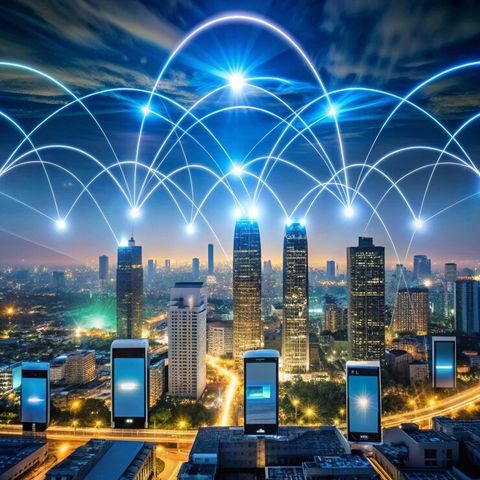
In many urban areas, lighting inspections are now supported by digital monitoring systems that provide real-time data. These systems can detect outages, voltage fluctuations, and irregular lighting behavior more quickly than manual inspections.
Why Street Lighting Efficiency Matters Today
Efficient public lighting plays a major role in modern urban development. As populations increase and cities expand, municipalities face growing pressure to manage electricity usage while maintaining reliable public infrastructure.
Street lighting can represent a significant portion of municipal energy consumption. Inefficient systems may use outdated fixtures, consume excessive electricity, or require frequent maintenance. Regular efficiency evaluations help reduce unnecessary power usage and improve overall infrastructure performance.
Several groups are affected by street lighting performance:
| Affected Group | Impact of Efficient Lighting |
|---|---|
| Drivers | Better road visibility and safer travel |
| Pedestrians | Improved nighttime safety |
| Municipal Authorities | Lower energy waste and maintenance planning |
| Environmental Agencies | Reduced carbon emissions |
| Urban Planners | Better smart city infrastructure management |
Efficient lighting systems also help reduce light pollution. Modern directional LED fixtures can focus illumination where it is needed instead of spreading excessive light into surrounding areas. This supports environmental sustainability and improves nighttime visibility quality.
Another important factor is infrastructure reliability. Aging lighting systems may experience electrical faults, damaged poles, or inconsistent illumination. Regular checks allow maintenance teams to identify risks earlier and improve operational stability.
In residential and commercial areas, balanced lighting distribution can improve public comfort and visibility without excessive brightness. Proper illumination standards are important for roads, public parks, pathways, and intersections.
Key Components Checked During Lighting Evaluations
Street lighting efficiency inspections often include both physical inspections and digital performance monitoring.
Common inspection categories include:
Energy Consumption Analysis
Technicians measure electricity usage and compare it with expected efficiency standards. High energy consumption may indicate aging fixtures or electrical problems.
Illumination Performance
Lighting intensity is checked to ensure roads and sidewalks receive consistent visibility levels. Uneven lighting patterns can reduce road safety.
Electrical System Inspection
Inspectors review wiring, voltage stability, and control panels for faults or safety concerns.
Fixture Condition Assessment
Lighting fixtures are examined for corrosion, physical damage, overheating, or reduced performance.
Smart Control Monitoring
Modern systems often use remote monitoring technologies that track lighting schedules, dimming patterns, and operational efficiency.
Recent Updates in Street Lighting Technology
The public lighting sector has experienced major technological developments during the past year. Many countries have continued replacing conventional streetlights with LED-based systems due to lower energy demand and longer operational life.
During 2025 and early 2026, several urban development programs focused on smart city infrastructure improvements. These projects included intelligent lighting systems capable of automatic dimming and motion-based brightness adjustments.
Recent trends include:
| Recent Trend | Description |
|---|---|
| Smart Lighting Sensors | Detect movement and adjust brightness automatically |
| Remote Monitoring Systems | Provide real-time fault detection |
| LED Conversion Programs | Replace older sodium and halogen fixtures |
| Solar-Powered Streetlights | Support renewable energy goals |
| Adaptive Lighting Controls | Change illumination based on traffic activity |
Many municipalities are also using data analytics to monitor lighting performance. These systems help maintenance teams identify power consumption patterns and predict maintenance needs more accurately.
Environmental sustainability has also influenced recent lighting upgrades. Governments and urban planners increasingly support lower-energy infrastructure projects to reduce long-term carbon emissions.
Another emerging trend involves connected lighting networks. Smart poles can now integrate public Wi-Fi systems, environmental sensors, and traffic monitoring technologies alongside lighting functions.
Laws and Policies Affecting Street Lighting Systems
Street lighting infrastructure is often regulated by national and local government standards related to electrical safety, energy efficiency, and urban planning.
Different countries apply different lighting regulations, but common policy areas include:
- Energy efficiency standards
- Public safety requirements
- Environmental protection rules
- Electrical installation codes
- Urban development frameworks
In many regions, governments encourage municipalities to transition toward energy-efficient lighting systems through public infrastructure modernization programs.
Road safety standards frequently define minimum illumination requirements for highways, intersections, and pedestrian crossings. Lighting systems must comply with these standards to maintain consistent visibility levels.
Environmental regulations may also limit excessive light pollution. Poorly designed lighting systems can affect wildlife habitats and increase unnecessary energy use. Directional lighting designs and controlled brightness levels are increasingly encouraged through urban planning policies.
Several countries have introduced national energy conservation initiatives between 2024 and 2026 that support LED modernization and smart infrastructure adoption. These initiatives often focus on reducing electricity demand across public infrastructure systems.
Electrical safety inspections are another important policy requirement. Public lighting equipment must follow technical standards related to voltage safety, grounding systems, and installation quality.
Benefits of Smart Street Lighting Systems
Smart street lighting technologies have changed how municipalities manage public infrastructure.
Important benefits include:
Improved Energy Efficiency
Adaptive dimming systems reduce electricity use during periods of low traffic activity.
Faster Maintenance Response
Automated fault detection allows quicker identification of outages and damaged fixtures.
Better Infrastructure Planning
Performance data supports long-term maintenance scheduling and infrastructure improvements.
Environmental Sustainability
Efficient systems help reduce greenhouse gas emissions and unnecessary power consumption.
Enhanced Public Safety
Consistent illumination improves visibility for drivers, cyclists, and pedestrians.
Helpful Tools and Resources for Lighting Efficiency
Various tools and digital resources support street lighting evaluations and infrastructure planning.
Commonly used resources include:
| Tool Type | Purpose |
|---|---|
| Energy Consumption Calculators | Estimate power usage and efficiency |
| Lighting Simulation Software | Analyze illumination coverage |
| Maintenance Tracking Platforms | Monitor repair schedules |
| GIS Mapping Systems | Visualize lighting infrastructure locations |
| Smart Monitoring Dashboards | Track real-time system performance |
Mobile inspection applications are also becoming more common. These apps help maintenance teams record field observations, upload inspection photos, and track lighting conditions during site visits.
Technical training materials and infrastructure planning guides are widely used by engineers and municipal authorities to improve lighting system management practices.
Digital reporting systems also help create detailed maintenance records and performance documentation for long-term infrastructure analysis.
Common Challenges in Street Lighting Management
Although lighting technology has improved significantly, municipalities still face several operational challenges.
These challenges may include:
- Aging infrastructure
- High maintenance requirements
- Electrical faults
- Inconsistent lighting coverage
- Budget limitations
- Weather-related equipment damage
Rural areas may also face infrastructure limitations that affect lighting consistency and maintenance access. In rapidly growing cities, lighting systems sometimes struggle to keep pace with urban expansion.
Smart lighting systems can reduce some of these challenges, but they also require skilled technical management and cybersecurity protection for connected infrastructure networks.
Frequently Asked Questions
What is a street lighting efficiency check?
A street lighting efficiency check is an inspection process used to evaluate how effectively public lighting systems operate in terms of energy usage, visibility, and equipment performance.
Why are LED streetlights considered more efficient?
LED streetlights use less electricity, provide longer operational life, and deliver more focused illumination compared to many traditional lighting technologies.
How often should public lighting systems be inspected?
Inspection frequency depends on local infrastructure policies and environmental conditions, but many municipalities conduct regular evaluations annually or semi-annually.
Can smart lighting systems reduce energy consumption?
Yes. Smart systems can adjust brightness levels automatically based on traffic movement, weather conditions, or scheduled timing patterns.
What causes uneven street lighting?
Uneven lighting may result from damaged fixtures, aging bulbs, electrical faults, improper installation, or inconsistent spacing between lighting poles.
Conclusion
Street lighting efficiency checks are an important part of maintaining safe, reliable, and sustainable public infrastructure. These evaluations help municipalities improve lighting quality, manage electricity consumption, and identify maintenance needs before larger problems develop.
As urban infrastructure continues evolving, smart lighting technologies and energy-efficient systems are becoming increasingly important for transportation safety and environmental sustainability. Governments and city planners are also focusing more on intelligent lighting networks that combine digital monitoring, adaptive controls, and long-term infrastructure planning.