A Guide to Automotive Industry Basics, Vehicle Manufacturing and Supply Chains
The automotive industry is one of the world's most complex manufacturing sectors. It includes the design, engineering, production, distribution, maintenance, and regulation of vehicles such as cars, motorcycles, buses, trucks, and electric vehicles. Behind every vehicle is a large network of manufacturers, suppliers, logistics providers, engineers, technology developers, regulators, and research organizations.
Understanding the automotive industry is useful for students, business readers, technology enthusiasts, investors, and anyone interested in vehicle manufacturing and supply chain management. A modern vehicle is no longer made only from steel, glass, rubber, and mechanical parts. It can also include advanced software, sensors, semiconductors, battery systems, artificial intelligence, and connected technologies.
How the Automotive Industry Works
The automotive industry generally follows a long production chain. It begins with raw materials and component development and ends with vehicle assembly and distribution.
A simplified automotive manufacturing process includes:
- Raw materials such as steel, aluminum, plastics, rubber, lithium, and other minerals
- Component manufacturing for engines, batteries, electronics, interiors, and braking systems
- Vehicle design and engineering
- Parts procurement and supply chain planning
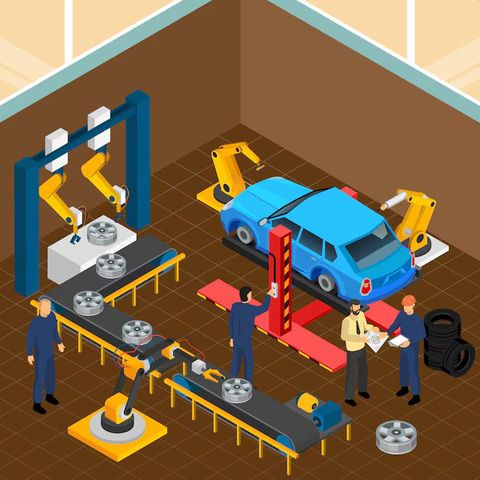
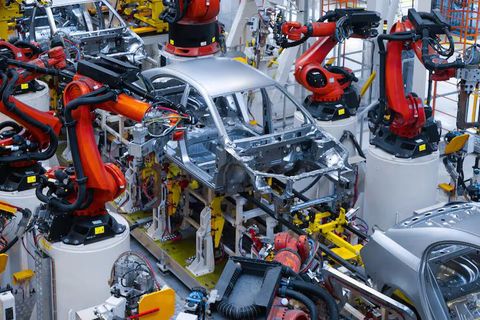
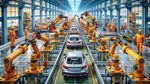
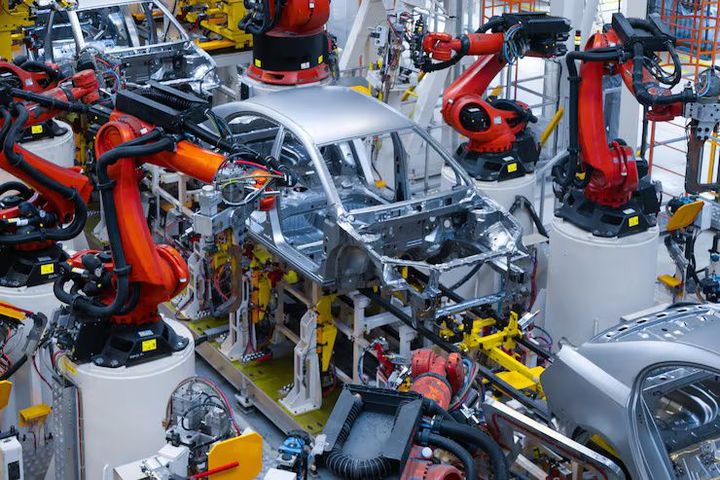
- Assembly and production
- Quality testing and regulatory approval
- Distribution and vehicle registration
- Maintenance, recycling, and end-of-life processing
Vehicle manufacturers, often known as original equipment manufacturers, coordinate many of these activities. However, they usually depend on a large network of suppliers that produce individual components and systems.
For example, a single vehicle may contain thousands of individual parts. These parts may come from different regions and countries before reaching the final assembly plant. This makes automotive supply chain management a major part of modern vehicle manufacturing.
Why the Automotive Industry Exists
The automotive industry developed to provide reliable transportation for individuals, businesses, governments, and public infrastructure. Over time, vehicles became important for personal mobility, freight transportation, agriculture, construction, emergency response, and public transportation.
Today, the industry is also responding to major global challenges. These include reducing emissions, improving road safety, increasing energy efficiency, managing supply chain risks, and developing cleaner transportation technologies.
Why the Automotive Industry Matters Today
The automotive industry affects many areas of the global economy. It supports manufacturing, logistics, engineering, technology development, energy systems, mining, finance, transportation, and infrastructure.
A Major Manufacturing Ecosystem
Automotive manufacturing supports a broad industrial ecosystem. Vehicle production requires:
- Metal processing
- Electronics manufacturing
- Battery production
- Software development
- Industrial automation
- Robotics
- Quality control
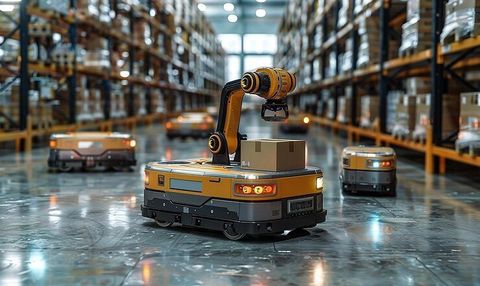
- Logistics and warehouse management
- Automotive engineering
- Recycling and material recovery
This interconnected structure means that a change in one part of the industry can affect many other sectors.
The Shift Toward Electric Vehicles
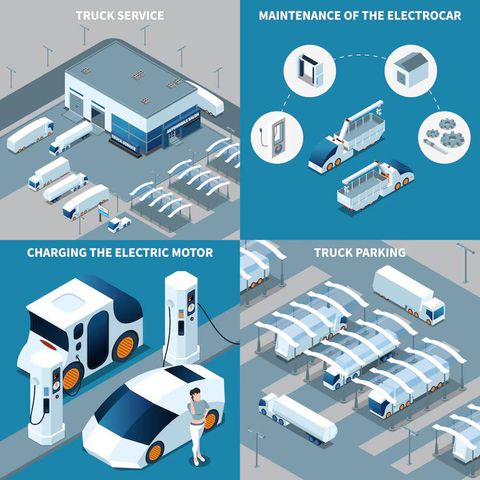
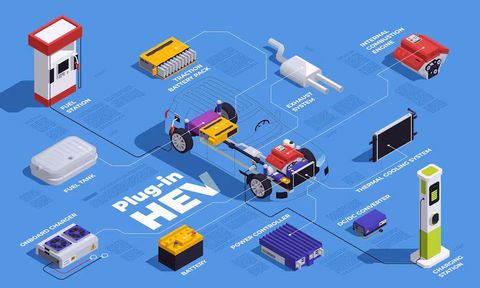
Electric vehicles are changing traditional vehicle manufacturing. Instead of depending mainly on internal combustion engines, EV production focuses on battery cells, battery packs, electric motors, power electronics, charging systems, and software.
The International Energy Agency reported that global electric car production reached nearly 22 million vehicles in 2025, increasing by more than 25% from the previous year. China remained the largest production center, while other regions continued efforts to diversify battery and EV supply chains.
This transition is creating greater demand for automotive battery technology, semiconductor components, energy storage systems, and advanced manufacturing equipment.
Supply Chain Resilience
The automotive supply chain became a major focus after global disruptions affected semiconductor availability, shipping routes, raw materials, and factory production.
Manufacturers now pay greater attention to:
- Multiple supplier sources
- Inventory planning
- Regional manufacturing
- Digital supply chain monitoring
- Critical mineral availability
- Semiconductor supply
- Transportation risks
A resilient vehicle supply chain helps manufacturers respond more effectively when a supplier, region, or transportation route faces disruption.
The Role of Technology
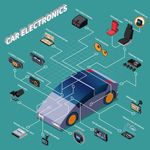
Modern vehicles increasingly function as connected electronic systems. Advanced driver assistance systems, navigation, digital dashboards, sensors, software updates, and cybersecurity have become important parts of automotive engineering.
The industry is therefore moving from a purely mechanical model toward a combination of mechanical engineering, electrical engineering, software development, data management, and artificial intelligence.
Key Automotive Industry Areas
| Area | Main Role |
|---|---|
| Vehicle Design | Creates vehicle structure, features, and appearance |
| Auto Parts Manufacturing | Produces components and systems |
| Assembly | Combines components into complete vehicles |
| Supply Chain Management | Coordinates materials, suppliers, and logistics |
| EV Technology | Supports batteries, motors, and charging systems |
| Automotive Software | Controls connected and electronic functions |
| Quality Control | Checks safety, reliability, and performance |
| Recycling | Supports material recovery and end-of-life processing |
Recent Automotive Industry Updates and Trends
The automotive industry has continued to change rapidly during 2025 and 2026.
EV Manufacturing Continues to Expand
According to the IEA's 2026 Global EV Outlook, electric car production reached record levels in 2025. China accounted for approximately 70% of electric car production and more than 80% of global battery cell production, showing the continuing concentration of the EV supply chain.
At the same time, governments and manufacturers in Europe, North America, India, and other regions are working to develop more localized battery and vehicle production.
Software and Electrification Remain Major Trends
A January 2025 analysis from Gartner identified electrification and software as two major forces shaping the automotive industry. It also highlighted uncertainty surrounding emissions policies, international trade, and the future pace of EV adoption.
This means manufacturers are increasingly balancing several powertrain technologies, including battery-electric vehicles, hybrids, plug-in hybrids, and efficient internal combustion vehicles.
More Strategic Manufacturing Partnerships
In July 2026, Ford and Geely announced a planned joint venture to produce low- and zero-emission vehicles at Ford's Valencia plant in Spain, subject to regulatory approval. The development reflects a wider trend of automakers using partnerships to share manufacturing capacity and respond to changing EV competition.
Such partnerships may become more common as manufacturers seek regional production capacity and access to new technologies.
Connected Vehicle Regulations Are Increasing
Vehicle connectivity is also becoming a major regulatory issue. In the United States, regulations introduced in January 2025 restrict certain Chinese connected-vehicle software and hardware for future model years. The rules have encouraged manufacturers to examine their technology supply chains more closely.
This illustrates how cybersecurity, data protection, geopolitics, and vehicle manufacturing are becoming increasingly connected.
Laws, Policies, and Government Frameworks
Automotive regulations differ between countries, but most governments focus on similar areas: vehicle safety, emissions, fuel efficiency, cybersecurity, environmental protection, and manufacturing standards.
Vehicle Safety Regulations
Vehicles must generally meet national or regional safety requirements before they can be registered for road use. These requirements may cover:
- Crash protection
- Braking systems
- Lighting
- Seat belts
- Child safety
- Pedestrian protection
- Electronic safety systems
Regulatory testing and vehicle type approval help confirm that vehicles meet required technical standards.
Emissions and Environmental Rules
Governments continue to establish rules aimed at reducing air pollution and greenhouse gas emissions. These policies influence engine design, fuel efficiency, EV adoption, battery production, and vehicle recycling.
In India, automotive policies increasingly cover vehicle safety, emissions, fuel economy, electric mobility, alternative fuels, localization, and end-of-life vehicle management. A 2026 SAE technical paper described India's evolving regulatory framework and its movement toward greater alignment with international automotive standards.
Indian Automotive Policy Developments
India has placed increasing emphasis on electric mobility, domestic manufacturing, and participation in global value chains. A 2025 NITI Aayog report highlighted the importance of EVs, Industry 4.0, advanced manufacturing, and stronger integration into global automotive supply chains.
Government programs and policy frameworks may influence battery manufacturing, vehicle production, component localization, technology development, and export growth.
Supply Chain and Product Compliance
Automotive suppliers must often maintain detailed technical and quality documentation. This can include material records, inspection reports, production approvals, testing evidence, and traceability information.
For manufacturers, compliance is not limited to the final vehicle. It can extend across the entire supply chain, including materials, components, software, batteries, and manufacturing processes.
Tools and Resources for Understanding the Automotive Industry
Several general tools can help readers and professionals understand automotive manufacturing and supply chains.
Industry research databases help track vehicle production, EV adoption, automotive technology, and market trends.
Supply chain mapping tools can display relationships between raw materials, component suppliers, factories, warehouses, and distribution networks.
Manufacturing planning software can help organizations monitor production schedules, inventory levels, supplier performance, and material requirements.
Vehicle specification databases provide information about vehicle dimensions, powertrains, safety systems, battery capacity, and technical features.
Emissions and fuel-efficiency calculators can help compare energy use and environmental performance across different vehicle types.
Process mapping templates are useful for understanding the journey from raw materials to finished vehicle assembly.
Learning resources such as engineering textbooks, government transportation portals, technical standards databases, and educational research papers can provide deeper knowledge about automotive engineering and supply chain management.
Frequently Asked Questions
What is the automotive industry?
The automotive industry includes the design, engineering, manufacturing, distribution, regulation, and recycling of vehicles and automotive components. It covers passenger vehicles, commercial vehicles, motorcycles, buses, trucks, EVs, and related technologies.
What is an automotive supply chain?
An automotive supply chain is the network that moves materials, components, technology, and finished vehicles through different stages of production. It may include raw material suppliers, parts manufacturers, assembly plants, logistics networks, and distribution channels.
Why are semiconductors important in modern vehicles?
Semiconductors control many electronic functions, including safety systems, infotainment, engine management, battery control, sensors, and connected technologies. As vehicles become more electronic, semiconductor availability has become increasingly important.
How are electric vehicles changing vehicle manufacturing?
EVs require different major systems from conventional vehicles, including battery packs, electric motors, power electronics, and charging technology. This is changing supplier networks, factory equipment, engineering skills, and raw material requirements.
What regulations affect vehicle manufacturing?
Common regulations cover safety, emissions, fuel efficiency, cybersecurity, environmental protection, battery systems, recycling, and vehicle approval. Specific requirements depend on the country or region where the vehicle is produced or registered.
Conclusion
The automotive industry is a large and interconnected sector that combines manufacturing, engineering, technology, logistics, energy, and government regulation. Understanding its basic structure makes it easier to see how a vehicle moves from raw materials and component production to final assembly and road use.
The industry is currently experiencing significant changes through electric vehicles, battery technology, software-defined vehicles, connected systems, automation, and supply chain diversification. At the same time, manufacturers must respond to safety standards, environmental policies, cybersecurity requirements, and changing international trade conditions.