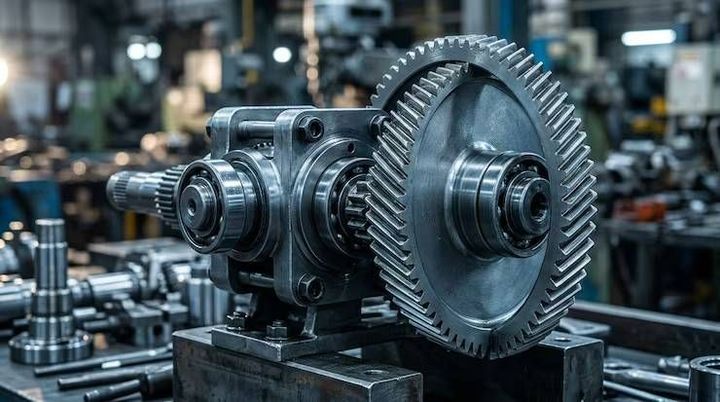
Gear Grinding Machines Explore: Modern Technology and Manufacturing Trends
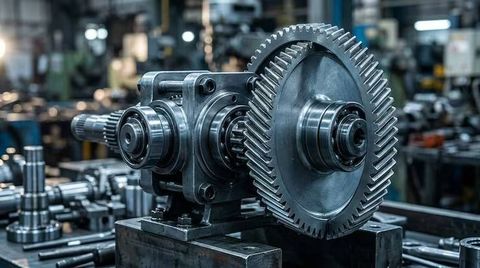
Gear grinding machines are precision machine tools used to finish the teeth and surfaces of gears after earlier manufacturing processes such as cutting, shaping, or heat treatment. The grinding process removes very small amounts of material and helps produce accurate gear geometry and a consistent surface finish.
Gears are essential in many mechanical systems. They transfer motion and torque between shafts and help control speed, direction, and mechanical movement. They are found in automotive transmissions, industrial machinery, robotics, aerospace equipment, wind turbines, construction equipment, and many other applications.
As machines become more compact and operate at higher speeds, gear accuracy becomes increasingly important. Small errors in tooth geometry can contribute to vibration, noise, heat generation, and uneven load distribution.
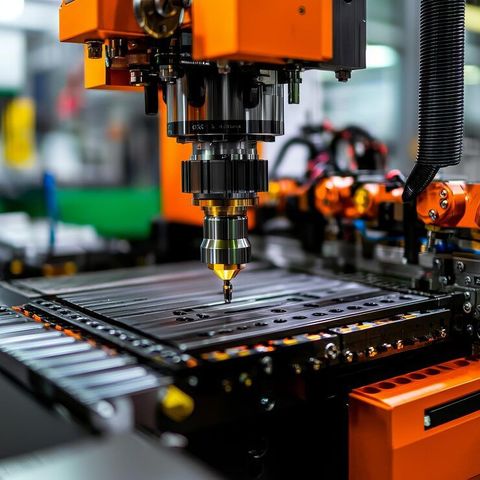
Modern gear grinding machines therefore combine precision mechanics with CNC controls, measurement systems, automation, and digital monitoring. These technologies help manufacturers maintain consistent production quality while handling complex gear designs.
Common gear grinding methods include:
- Generating grinding
- Profile grinding
- Continuous generating grinding
- Form grinding
- Internal gear grinding
- External gear grinding
The appropriate method depends on gear geometry, production requirements, material characteristics, and the required level of precision.
Importance
Gear grinding plays an important role in precision manufacturing because the final finishing process can significantly influence gear performance. A well-finished gear can provide accurate tooth engagement and smoother mechanical movement.
The technology is particularly relevant to industries where components operate under demanding conditions. Automotive and electric mobility systems, for example, increasingly require gears that operate quietly and efficiently. Industrial gearboxes and robotic systems also depend on accurate gear profiles for controlled motion.
The main areas where gear grinding technology matters include:
- Precision manufacturing: Accurate tooth geometry supports consistent gear operation.
- Surface quality: Fine grinding can improve the working surfaces of gear teeth.
- Noise reduction: Better tooth accuracy can help reduce unwanted vibration and operating noise.
- Component reliability: Consistent finishing can support predictable gear performance.
- High-speed applications: Precision becomes especially important as rotational speeds increase.
- Automation: CNC-controlled equipment can repeat complex grinding cycles with limited manual intervention.
- Quality control: Integrated measurement systems can identify deviations during production.
Gear grinding is also connected with broader trends in industrial automation. Modern factories increasingly combine CNC machining, robotics, sensors, inspection equipment, and production data systems.
Gear Grinding Process at a Glance
| Stage | Main Purpose |
|---|---|
| Gear preparation | Establish the basic tooth geometry |
| Heat treatment | Develop required material characteristics |
| Grinding setup | Position the gear and grinding tool accurately |
| Rough or initial grinding | Remove controlled material |
| Finishing grinding | Achieve the required tooth geometry and surface finish |
| Inspection | Check dimensions, profile, lead, and runout |
| Data recording | Maintain production and quality information |
The process is not simply about removing material. It involves controlling geometry, temperature, grinding parameters, tool condition, and measurement accuracy.
Recent Updates and Manufacturing Trends
During 2025 and 2026, machine-tool development has continued moving toward digital manufacturing, automation, advanced inspection, and greater integration between machining and production data.
India's machine-tool industry reported strong growth in its 2024–25 provisional estimates. The Indian Machine Tool Manufacturers' Association reported production of approximately ₹14,566 crore and consumption of approximately ₹31,781 crore for FY 2024–25.
A major industry event, IMTEX 2025, was held in Bengaluru beginning on 23 January 2025. The event included machine tools, digital manufacturing, and technologies intended to support technological development across manufacturing.
These developments reflect several important trends relevant to gear grinding machines.
CNC and Digital Control
CNC systems are becoming increasingly important for complex gear manufacturing. Digital control allows grinding parameters and motion sequences to be programmed with greater consistency.
Advanced systems can also connect machining information with inspection data, creating a more traceable production workflow.
Automated Inspection
Inspection is moving closer to the machining process. Gear measurement systems can evaluate parameters such as:
- Tooth profile
- Lead
- Pitch
- Runout
- Tooth thickness
- Surface characteristics
This supports faster identification of process deviations.
Sensor-Based Monitoring
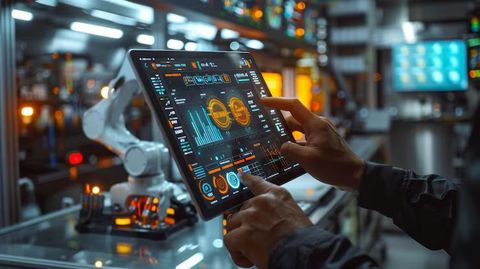
Sensors can monitor spindle conditions, vibration, temperature, power consumption, and other machine parameters. Data from these sensors can help identify unusual operating conditions and support preventive maintenance planning.
Artificial Intelligence and Data Analytics
AI and machine-learning methods are increasingly being explored for manufacturing analytics. In gear grinding, these approaches can potentially support anomaly detection, process optimization, tool-condition monitoring, and quality prediction.
However, AI does not automatically guarantee better production results. Its usefulness depends on reliable data, appropriate models, machine integration, and proper human oversight.
Automation and Robotics
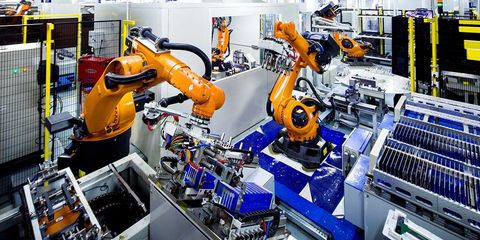
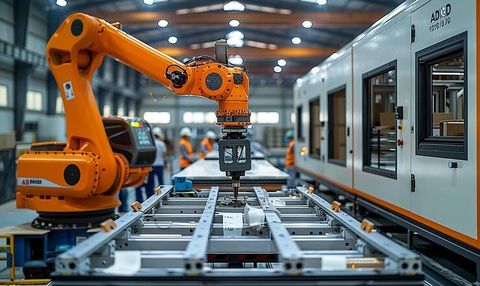
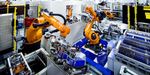
Robotic loading and unloading can reduce repetitive manual handling in production environments. Automated systems may also connect grinding machines with washing, inspection, marking, and material-handling equipment.
This creates a more connected manufacturing cell rather than treating each machine as an isolated production unit.
Energy and Process Monitoring
Energy efficiency is another area receiving attention. Monitoring electrical consumption, grinding conditions, coolant use, and machine utilization can help manufacturers understand production efficiency and identify areas for improvement.
Laws or Policies
For readers in India, machinery manufacturers and users should pay attention to applicable safety, quality, and conformity requirements. The regulatory environment has changed during the past two years.
India's Ministry of Heavy Industries introduced the Machinery and Electrical Equipment Safety (Omnibus Technical Regulation) framework, with subsequent amendments during 2025. The ministry's records also show a second amendment issued in November 2025.
The framework references Indian Standards and includes requirements related to machinery safety, conformity assessment, and certification. The Bureau of Indian Standards has an important role in certification and enforcement under the framework.
The original regulatory framework also included machine tools within its broader machinery categories. India's official material specifically lists certain machine-tool categories and related equipment under the regulatory framework.
Manufacturers and industrial users should therefore check the latest applicable notifications, standards, product classifications, and conformity requirements before commissioning or producing machinery.
Safety considerations for gear grinding equipment commonly include:
- Machine guarding
- Emergency stopping systems
- Electrical safety
- Risk assessment
- Safe access to moving components
- Grinding-wheel protection
- Operator training
- Maintenance procedures
- Proper handling of coolant and grinding residues
Regulatory requirements can change, so current official notifications and applicable Indian Standards should always take precedence over general explanations.
Tools and Resources
Several categories of tools can help engineers, students, production planners, and machine operators understand gear grinding technology.
Gear Design and Calculation Tools
Useful resources include:
- Gear geometry calculators
- Module and diametral-pitch calculators
- Speed-ratio calculators
- Gear contact-ratio calculators
- Tolerance reference tables
- Engineering conversion tools
These resources can help with basic calculations before detailed production planning.
Measurement and Inspection Resources
Common technical resources include:
- Gear profile measurement systems
- Coordinate measurement equipment
- Surface-finish measurement instruments
- Runout measurement tools
- Digital inspection templates
- Statistical process-control worksheets
Manufacturing Documentation
Useful documentation can include:
- Machine setup sheets
- Preventive-maintenance checklists
- Tool-condition records
- Inspection reports
- Process parameter sheets
- Machine safety checklists
- Quality-control templates
Learning Resources
People beginning to study gear grinding can use engineering textbooks, machine-tool manuals, technical standards, manufacturing training materials, CAD/CAM learning platforms, and educational videos.
For production environments, technical documentation should be matched to the specific machine model, grinding process, gear specification, and applicable safety requirements.
FAQs
What is a gear grinding machine?
A gear grinding machine is a precision machine tool used to finish gear teeth. It removes small amounts of material to improve tooth geometry, dimensional accuracy, and surface finish.
Why is gear grinding important?
Gear grinding is important when high levels of gear accuracy and surface quality are required. It is commonly associated with applications where smooth motion, controlled noise, and reliable power transmission are important.
What is the difference between gear cutting and gear grinding?
Gear cutting generally creates the basic tooth geometry, while gear grinding is usually a finishing operation. Grinding can improve the accuracy and surface characteristics of previously manufactured gears.
What are CNC gear grinding machines?
CNC gear grinding machines use computer-controlled movements to manage machining operations. They can handle complex grinding cycles and help maintain consistent process parameters.
What are the latest trends in gear grinding?
Important trends include CNC control, automated loading, in-process inspection, sensor monitoring, digital production data, AI-assisted analytics, and greater integration between machining and quality-control systems.
Conclusion
Gear grinding machines remain an important part of precision gear manufacturing. Their role extends beyond producing a smooth tooth surface. Accurate grinding can influence gear geometry, vibration behavior, noise, and overall mechanical performance.