Luxury Spa Resorts: Destinations, Wellness Benefits and Travel Tips
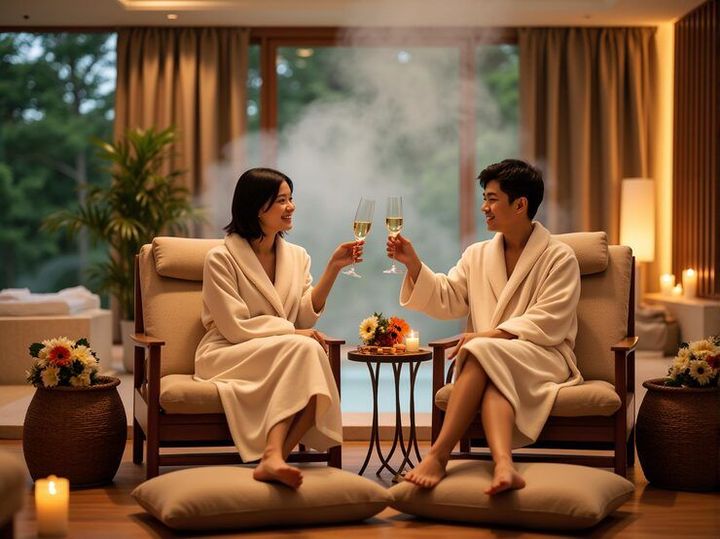
Luxury spa resorts are hospitality destinations that combine comfortable accommodation with relaxation facilities, wellness activities, and spa treatments. They may be located beside beaches, in mountain valleys, near forests, or within peaceful countryside settings.
Unlike a typical holiday focused mainly on sightseeing, a spa resort encourages visitors to slow down and spend time on physical comfort and mental relaxation. Guests may enjoy a peaceful natural setting, structured wellness activities, or a flexible schedule that leaves room for rest.
These resorts are found in many environments, including tropical islands, mountain regions, coastal areas, forests, and countryside locations. Each setting offers a different atmosphere. A coastal resort may focus on ocean views and outdoor relaxation, while a mountain retreat may emphasize quiet surroundings, walking trails, and fresh air.
The concept of spa travel has developed from traditional bathing, massage, and bathing rituals practiced in many cultures. Modern wellness resorts combine selected traditional practices with contemporary hospitality, fitness, and relaxation facilities.
Common Features of Spa Resorts
Facilities and activities vary by destination, but many luxury spa resorts include:
Massage rooms and relaxation areas.
Steam rooms, saunas, and hydrotherapy facilities.
Yoga, stretching, meditation, and breathing sessions.
Swimming pools and fitness centers.
Nature walks, gardens, and outdoor recreation.
Restaurants with varied food choices.
Wellness consultations and personalized activity schedules.
Not every resort provides all these features. Travelers should review the available facilities and understand which activities are included in their accommodation arrangements.
Importance of Luxury Spa Resorts Today
Why Wellness Travel Matters
Modern routines can involve long working hours, digital distractions, limited physical activity, and ongoing responsibilities. A carefully planned wellness holiday gives travelers time to pause, enjoy a different environment, and focus on personal well-being.
Spa resorts appeal to couples, solo travelers, families, older adults, and people who prefer a slower travel experience. Some visitors want a quiet weekend, while others seek opportunities for movement, meditation, healthy eating, or outdoor recreation.
The main benefits can include:
Relaxation: Massage, quiet spaces, and leisure activities may help reduce feelings of everyday stress.
Sleep routines: A calm environment and a regular evening schedule may support better sleep habits.
Physical activity: Walking, swimming, yoga, and gentle stretching encourage movement.
Mindful breaks: Meditation and breathing exercises can help people pay attention to the present moment.
Social connection: Shared classes and group activities create opportunities to connect with others.
Time in nature: Gardens, forests, beaches, and mountain scenery provide a change from urban environments.
These benefits vary between individuals. A spa holiday is not a substitute for medical care, and wellness treatments should not be presented as guaranteed cures for physical or mental health conditions.
Who Can Benefit From a Spa Holiday?
Different travelers have different expectations. Understanding personal goals can make it easier to choose a suitable destination.
Traveler type | Potentially suitable experience |
|---|---|
Couples | Quiet accommodation, shared spa sessions, and scenic dining |
Solo travelers | Meditation, reading spaces, and flexible daily schedules |
Active travelers | Swimming, yoga, guided walks, and recovery activities |
Nature lovers | Forest retreats, coastal trails, and mountain scenery |
Families | Family-friendly pools, outdoor recreation, and age-appropriate activities |
Older adults | Accessible facilities, gentle movement, and comfortable surroundings |
Before booking, travelers should check whether the property accommodates their mobility needs, dietary requirements, age group, and preferred activities.
Recent Updates and Wellness Travel Trends in 2025–2026
A Shift Toward Personalized Wellness
During 2025 and 2026, wellness tourism discussions increasingly highlighted experiences shaped around individual preferences rather than identical schedules for every guest. These may include flexible activity plans, sleep-focused stays, mindfulness sessions, and different levels of physical activity.
The Global Wellness Institute's 2026 trend report, published on March 27, 2026, highlighted several developments relevant to spa resorts. These included privacy-focused retreats, cooler-climate destinations, heat-based bathing rituals, deeper rest, and the use of artificial intelligence to help plan personalized wellness travel.
Important Developments to Understand
Trend | What it means for travelers |
|---|---|
Sleep-focused retreats | More attention to quiet rooms, bedtime routines, and restful surroundings |
Thermal bathing | Continued interest in saunas, hot springs, and structured bathing rituals |
Digital breaks | Opportunities to reduce screen time and spend more time outdoors |
Personalized itineraries | Activity schedules adapted to interests and preferences |
Nature-based wellness | Greater emphasis on outdoor movement and natural surroundings |
Evidence-based wellness | More attention to credible information and realistic health claims |
Artificial intelligence may help organize travel plans, suggest activities, or arrange an itinerary around personal preferences. However, automated recommendations should be checked for accuracy, suitability, and practical travel requirements.
The broader direction is toward wellness experiences that balance comfort, personal choice, and credible information. Not every resort follows these trends, so travelers should evaluate the actual facilities rather than rely on trend-based descriptions.
Laws and Policies Affecting Spa Resort Travel
Hospitality and Consumer Protection
Luxury spa resorts operate under the laws of the country or region where they are located. Requirements differ, but travelers may encounter rules covering accommodation safety, fire protection, sanitation, accessibility, food hygiene, and consumer rights.
Before confirming a stay, read the booking conditions carefully. Check the cancellation policy, payment schedule, occupancy limits, and any restrictions that apply to spa facilities or activities.
Travelers should also confirm whether the property has the appropriate local registration or operating permissions where these are required.
Health, Hygiene, and Treatment Safety
Spa facilities may be subject to public health requirements covering swimming pools, bathing water, cleaning procedures, and the safe use of equipment. Specific rules depend on local legislation.
Treatments involving heat, pressure, chemicals, or specialist equipment require appropriate precautions. Guests should disclose relevant health concerns to qualified professionals when necessary and avoid activities that are unsuitable for their circumstances.
Medical procedures and diagnostic tests are different from ordinary relaxation treatments. Where a resort provides clinical treatments, the relevant professional licensing and healthcare regulations may apply.
Environmental and Travel Regulations
Resorts may also need to follow environmental rules relating to water use, wastewater management, waste disposal, protected landscapes, and energy consumption. These requirements can be particularly important for properties near beaches, forests, mineral springs, and other sensitive natural areas.
International travelers should check visa conditions, passport validity, travel insurance requirements, and destination-specific health guidance. No single set of laws applies to every luxury spa resort worldwide.
Tools and Resources for Planning a Wellness Holiday
Useful Planning Tools
General travel-planning tools can help travelers compare destinations and organize a comfortable stay without overlooking practical details.
Destination comparison worksheets: Record climate, location, travel time, facilities, and accessibility.
Wellness activity planners: Create a balanced schedule for relaxation, exercise, meals, and personal time.
Travel budget spreadsheets: Estimate accommodation, transport, meals, treatments, insurance, and additional expenses.
Weather and climate tools: Review seasonal temperatures, rainfall, and conditions for outdoor activities.
Maps and transport planners: Check airport transfers, local transport, walking routes, and nearby attractions.
Packing checklists: Prepare suitable clothing, swimwear, personal toiletries, and necessary medication.
Health and safety checklists: Review treatment suitability, accessibility, emergency arrangements, and relevant travel guidance.
A Practical Resort Comparison
Use the following table when evaluating different wellness destinations.
Factor | What to check |
|---|---|
Location | Climate, scenery, and distance from transport hubs |
Accommodation | Room comfort, noise levels, and privacy |
Spa facilities | Available treatments, opening times, and safety information |
Activities | Yoga, swimming, walking, meditation, or fitness |
Food | Dietary choices and meal arrangements |
Accessibility | Lifts, step-free access, and mobility support |
Sustainability | Water conservation, waste practices, and nature protection |
A useful approach is to choose three or four priorities before comparing properties. For example, someone seeking quiet surroundings may prioritize privacy and noise levels, while an active traveler may focus on walking routes and fitness facilities.
Frequently Asked Questions
What Is the Difference Between a Spa Resort and a Wellness Retreat?
A spa resort usually combines accommodation, spa facilities, dining, and leisure activities. A wellness retreat often follows a more structured program focused on relaxation, mindfulness, fitness, or personal well-being. Some destinations combine both approaches.
How Many Days Should You Spend at a Luxury Spa Resort?
A two- or three-night stay may suit travelers looking for a short break, while a longer visit allows more time for activities and rest. The ideal duration depends on your schedule, travel distance, and personal preferences.
Are Spa Treatments Suitable for Everyone?
No. Some treatments may be unsuitable for people with particular medical conditions, during pregnancy, or when certain medications are being used. Ask a qualified professional about potential risks and follow the facility's safety guidance.
What Should You Consider When Choosing a Spa Resort?
Consider the location, accommodation, available treatments, hygiene standards, accessibility, dining options, cancellation rules, and total trip budget. Read the conditions carefully and confirm which facilities are included.
Can a Spa Holiday Improve Overall Well-Being?
A spa holiday may encourage relaxation, physical activity, mindful habits, and time away from everyday pressures. Its effects vary by person, and it should complement rather than replace appropriate healthcare.
Conclusion
Luxury spa resorts bring together comfortable accommodation, relaxation facilities, nature, and wellness activities in a single travel experience. From coastal escapes and mountain retreats to thermal bathing destinations, travelers can explore different settings based on their interests and needs.