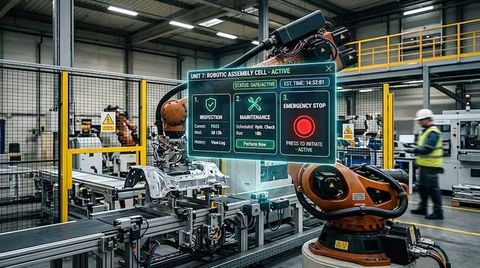
Exploring B2B Marketplaces Popular Among Indian Manufacturers
India has a large and diverse manufacturing ecosystem covering engineering, textiles, chemicals, electronics, machinery, automotive components, packaging, metals, food processing, and many other industries. As businesses increasingly use digital channels for procurement and supplier discovery, B2B marketplaces have become an important part of the industrial ecosystem.
A B2B marketplace is a digital platform where businesses can discover manufacturers, suppliers, distributors, products, and industrial categories. Unlike consumer shopping platforms, these marketplaces are designed around business-to-business transactions and industrial sourcing requirements.
For Indian manufacturers, digital marketplaces can provide another way to present product information, identify potential business opportunities, study market demand, and research suppliers. They can also make it easier for businesses to compare technical specifications, production capabilities, minimum order requirements, certifications, and geographic coverage.
Common search terms associated with this field include B2B marketplace India, industrial sourcing, manufacturer directory, wholesale marketplace, supplier discovery, digital procurement, industrial suppliers, and manufacturing marketplace.
The growth of digital business networks exists because traditional industrial discovery can involve extensive research. Digital platforms bring product categories and business information into a more organized environment, helping companies begin their research from a single online location.
Why B2B Marketplaces Matter for Manufacturers
The importance of B2B marketplaces is connected to the changing way companies research industrial products and suppliers. Procurement teams, engineers, distributors, exporters, and business owners increasingly use online research before starting commercial discussions.
For manufacturers, this creates opportunities to improve their digital visibility and communicate technical information in a structured format.
A well-organized business profile can typically include:
- Manufacturer information
- Product categories
- Technical specifications
- Production capabilities
- Industry applications
- Certifications and standards
- Geographic location
- Product photographs
- Catalog information
- Business contact details
For buyers and procurement teams, these details can make preliminary supplier research easier.
Supporting Supplier Discovery
Industrial procurement often requires specialized products. A company looking for CNC components, industrial pumps, packaging equipment, electrical panels, or metal products may need to review several manufacturers before identifying suitable options.
B2B marketplaces organize businesses by categories and product types, making initial research more structured.
Improving Digital Visibility
Manufacturers traditionally depended heavily on exhibitions, distributors, business networks, catalogs, and direct communication. Digital marketplaces add another channel for presenting manufacturing capabilities.
This is particularly relevant to small and medium-sized manufacturers that want to establish a stronger online presence.
Supporting Industrial Procurement Research
Procurement decisions can involve multiple factors rather than price alone. Technical specifications, quality requirements, delivery capabilities, certifications, production capacity, location, and previous industry experience may all influence a decision.
B2B platforms can help users gather preliminary information before conducting detailed verification.
Connecting Different Industrial Segments
A manufacturing marketplace can bring together manufacturers, distributors, wholesalers, importers, exporters, engineers, and procurement teams.
This creates a digital business ecosystem where different industrial requirements can be researched through product categories and business profiles.
Recent Trends in B2B Marketplaces in India
Digital procurement and industrial sourcing have continued developing during 2025 and 2026. Several trends are shaping the Indian B2B marketplace environment.
Greater Use of Digital Procurement
Businesses are increasingly using online research during procurement planning. Instead of depending entirely on offline directories and personal networks, procurement teams can begin their supplier research through digital platforms.
This does not remove the need for direct verification. Rather, online marketplaces increasingly function as an initial research layer.
Growth of Mobile-Based Business Research
Mobile devices have become an important tool for business research. Manufacturers and procurement professionals can review product categories, company information, specifications, and inquiries from smartphones and tablets.
This encourages B2B platforms to focus on mobile-friendly interfaces and simpler navigation.
AI-Assisted Search and Product Discovery
Artificial intelligence is becoming increasingly relevant to digital marketplaces. AI-based search can help users identify related products, understand natural-language queries, organize catalogs, and improve product discovery.
For example, instead of searching only for a specific technical product name, users may describe an industrial requirement in ordinary language. Intelligent search systems can potentially connect that requirement with relevant product categories.
More Structured Product Information
Industrial buyers often need technical details before contacting a manufacturer. As a result, structured product information is becoming increasingly important.
Useful information may include:
- Dimensions
- Materials
- Capacity
- Power requirements
- Applications
- Operating conditions
- Standards
- Certifications
- Packaging information
Clear technical information can make online research more efficient.
Increasing Focus on Export Discovery
Indian manufacturers are also using digital channels to research international markets. Export-oriented manufacturers may use online business directories and marketplaces to identify overseas business categories and understand demand patterns.
However, international trade still requires appropriate documentation, regulatory compliance, logistics planning, and verification.
Laws, Policies, and Regulatory Considerations
B2B marketplaces operating in India exist within a broader legal and digital framework. Manufacturers and businesses should understand that publishing information online does not replace regulatory responsibilities.
Consumer and Business Information Rules
Different Indian laws and regulations can apply depending on the nature of a transaction, product category, business structure, and information being collected.
Businesses should ensure that company information, product specifications, claims, and commercial communications are accurate and transparent.
Digital Personal Data Protection Framework
India's digital personal data framework is relevant when businesses collect or process personal information such as names, telephone numbers, email addresses, or other identifiable information.
Organizations handling personal data should pay attention to applicable consent, notice, security, and data-handling requirements.
Goods and Services Tax Framework
GST remains an important part of India's formal business environment. Manufacturers involved in domestic commercial transactions need to understand applicable registration, invoicing, classification, and tax requirements relevant to their activities.
Export and Import Compliance
Manufacturers involved in international trade may need to follow rules concerning customs documentation, product classification, export controls, foreign exchange procedures, and destination-country requirements.
Some industries, such as chemicals, pharmaceuticals, food, electronics, and machinery, may have additional regulatory requirements.
Advertising and Business Claims
Digital business profiles should avoid misleading statements. Claims about product performance, certifications, production capacity, quality standards, or industry approvals should be accurate and supportable.
This is particularly important when marketplace listings are also used as advertising or promotional material.
Tools and Resources for B2B Marketplace Research
Manufacturers and procurement professionals can use several general digital tools to improve marketplace research.
Manufacturer Directories
Online manufacturer directories can help identify companies by industry, product category, location, and manufacturing capability.
Product Comparison Templates
A simple comparison spreadsheet can record:
- Manufacturer name
- Product specifications
- Materials
- Capacity
- Certifications
- Location
- Minimum order requirements
- Lead-time information
- Technical documentation
- Verification status
This helps procurement teams organize information consistently.
Keyword Research Tools
Keyword research platforms can identify commonly searched phrases related to industrial products. Terms such as industrial equipment, wholesale suppliers, manufacturing companies, industrial machinery, B2B sourcing, and supplier directory can provide insight into search behavior.
Product Specification Sheets
Technical specification templates help manufacturers present product information consistently. They are especially useful for machinery, electrical equipment, components, industrial materials, and engineered products.
Business Verification Checklists
A verification checklist can include company registration details, tax information, certifications, manufacturing location, technical documents, references, and communication records.
Government Trade Resources
Government portals and official trade resources can help businesses understand registration procedures, export documentation, trade regulations, and applicable industrial policies.
Frequently Asked Questions
What is a B2B marketplace?
A B2B marketplace is a digital platform where businesses can discover manufacturers, suppliers, distributors, products, and industrial categories. It is primarily designed for business-to-business research and commercial interactions.
How can manufacturers use B2B marketplaces?
Manufacturers can use B2B marketplaces to present company information, showcase product categories, communicate technical specifications, identify potential business opportunities, and research industry demand.
Are B2B marketplaces suitable for small manufacturers?
Yes. Small and medium-sized manufacturers can use digital marketplaces as an additional channel for establishing an online business presence and reaching organizations researching specific industrial products.
What should buyers check before selecting a manufacturer?
Buyers should examine technical specifications, certifications, manufacturing capabilities, company information, product documentation, quality requirements, location, commercial terms, and applicable regulatory requirements.
Online marketplace information should be treated as preliminary research. Important claims should be independently verified before a business decision is made.
Will AI change B2B marketplace searches?
AI is likely to make product discovery more conversational and structured. AI-assisted search can help interpret natural-language requirements, organize product information, and identify related categories. Human verification will remain important for technical and commercial decisions.
Conclusion
B2B marketplaces are becoming an increasingly relevant part of India's digital manufacturing ecosystem. They provide a structured environment where manufacturers, procurement teams, distributors, exporters, and other businesses can discover industrial products and research potential business relationships.