Industrial Hastelloy C22 Sheet: Properties, Corrosion Resistance & Industrial Uses
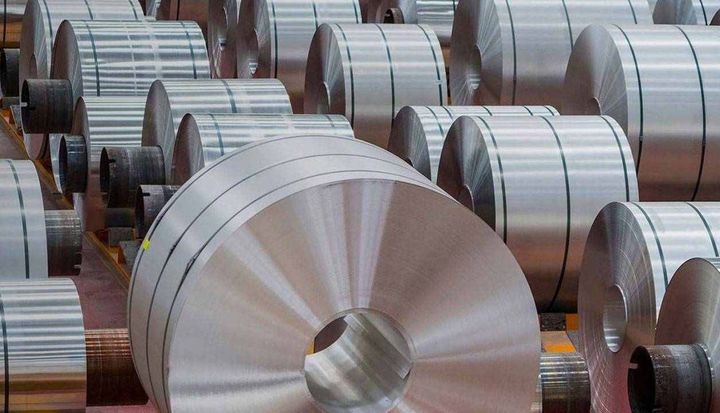
Industrial Hastelloy C22 Sheet is a corrosion-resistant alloy sheet designed for industries that operate in highly aggressive chemical and industrial environments. It belongs to the family of nickel-based alloys and contains carefully balanced amounts of nickel, chromium, molybdenum, tungsten, and iron. This combination provides excellent protection against oxidation, pitting, crevice corrosion, and chemical attack.
Modern industries require materials capable of maintaining their structural integrity while being exposed to acids, chlorides, oxidizing chemicals, and high temperatures. Traditional stainless steel performs well in many environments, but some industrial processes require materials with significantly higher corrosion resistance. Industrial Hastelloy C22 Sheet was developed to meet these demanding requirements.
Today, this alloy is commonly used in chemical processing plants, pharmaceutical manufacturing, pollution control equipment, marine engineering, petrochemical facilities, and industrial manufacturing systems. Its durability reduces maintenance requirements and supports long-term operational reliability.
Importance
Industrial Hastelloy C22 Sheet plays a significant role in modern industrial manufacturing because many production environments involve highly corrosive substances that can quickly damage conventional metals.
Why It Matters Today
Growing industrial production has increased the need for corrosion-resistant materials that support safety, equipment longevity, and operational efficiency.
Industries are continuously improving production processes while reducing equipment downtime. Materials capable of resisting corrosion help maintain consistent production quality and reduce unexpected equipment failures.
Industries That Commonly Use Hastelloy C22 Sheets
- Chemical processing plants
- Pharmaceutical manufacturing
- Oil and gas processing
- Petrochemical facilities
- Marine engineering
- Pollution control equipment
- Waste treatment plants
- Power generation systems
- Food processing equipment
- Industrial heat exchangers
Problems It Helps Address
Industrial Hastelloy C22 Sheet provides solutions for several engineering challenges, including:
| Industrial Challenge | How Hastelloy C22 Helps |
|---|---|
| Chemical corrosion | Resists strong oxidizing and reducing chemicals |
| Chloride attack | Minimizes pitting and crevice corrosion |
| High-temperature exposure | Maintains mechanical strength under elevated temperatures |
| Equipment durability | Supports longer operational life |
| Process reliability | Improves stability in demanding environments |
| Maintenance frequency | Reduces corrosion-related maintenance needs |
Its versatility makes it suitable for multiple industrial sectors where material reliability directly influences production quality.
Properties of Industrial Hastelloy C22 Sheet
Industrial Hastelloy C22 Sheet offers several important characteristics that distinguish it from many conventional industrial alloys.
Excellent Corrosion Resistance
One of its most recognized advantages is outstanding resistance to a broad range of aggressive chemicals, including acids and chloride-containing solutions.
High Mechanical Strength
The alloy maintains structural stability even under mechanical stress, making it suitable for pressure vessels and industrial processing equipment.
Good Fabrication Characteristics
Industrial Hastelloy C22 Sheets can be fabricated using common industrial forming, welding, and machining processes when proper procedures are followed.
Oxidation Resistance
The chromium-rich composition provides excellent resistance against oxidation at elevated temperatures.
Long Operational Life
Its combination of strength and corrosion resistance contributes to longer equipment lifespan in industrial applications.
Common Industrial Uses
Industrial Hastelloy C22 Sheet supports numerous industrial applications because of its reliable performance.
Some common uses include:
- Chemical reactors
- Pressure vessels
- Heat exchangers
- Storage tanks
- Flue gas desulfurization systems
- Pharmaceutical processing equipment
- Industrial piping systems
- Marine components
- Pollution control equipment
- Industrial mixing vessels
Engineers often select this alloy when corrosion resistance is more important than using standard stainless steel.
Recent Updates
Industrial materials continue evolving as manufacturers focus on sustainability, advanced manufacturing, and improved material performance.
During 2025 and early 2026, several notable industry trends have gained attention.
Increased Focus on Corrosion Management
Industries are investing in advanced corrosion-resistant materials to improve equipment lifespan and reduce maintenance interruptions.
Growing Demand in Clean Energy Projects
Hydrogen production, renewable energy infrastructure, and advanced chemical processing facilities increasingly require corrosion-resistant alloys capable of operating under challenging conditions.
Digital Manufacturing
Many manufacturers now use digital quality inspection, automated material tracking, and precision manufacturing technologies to improve consistency during alloy sheet production.
Sustainable Manufacturing
Environmental considerations continue encouraging manufacturers to improve recycling efficiency for nickel-based alloys while reducing industrial waste during production.
Improved Material Testing
Modern testing methods now include advanced non-destructive evaluation techniques, digital surface inspection, and enhanced corrosion simulation to verify product quality before industrial installation.
These developments reflect the industry's broader movement toward safer, more efficient, and environmentally responsible manufacturing practices.
Laws or Policies
Industrial Hastelloy C22 Sheet itself is not regulated as a special product in most countries, but its manufacturing, testing, and industrial applications are governed by engineering standards and industrial regulations.
Material Standards
Industrial projects frequently specify internationally recognized material standards that define chemical composition, mechanical properties, dimensions, and testing requirements.
Common standards may include:
- ASTM material specifications
- ASME pressure equipment standards
- ISO quality management standards
- International welding standards
- Industrial material inspection requirements
Environmental Regulations
Many countries require industries handling hazardous chemicals to use corrosion-resistant equipment that minimizes leaks and environmental risks.
Environmental regulations encourage the selection of durable materials capable of maintaining safe operation over extended periods.
Workplace Safety
Industrial facilities follow occupational safety regulations that include:
- Equipment inspection
- Pressure vessel safety
- Chemical handling procedures
- Material traceability
- Quality documentation
Compliance with these requirements supports safer industrial operations.
Tools and Resources
Various resources help engineers, students, researchers, and industrial professionals understand Industrial Hastelloy C22 Sheet and its applications.
Useful resources include:
- Material property databases
- Engineering design calculators
- Corrosion resistance charts
- Pressure vessel calculation templates
- Metal selection guides
- Mechanical property reference manuals
- Welding procedure documentation
- Industrial engineering textbooks
- CAD design software
- Industrial standards documentation
These resources support material selection, engineering calculations, equipment design, and technical learning.
Frequently Asked Questions
What is Industrial Hastelloy C22 Sheet?
Industrial Hastelloy C22 Sheet is a nickel-chromium-molybdenum alloy sheet designed for excellent corrosion resistance in aggressive chemical and industrial environments.
Why is Hastelloy C22 preferred over many standard stainless steels?
It provides superior resistance against pitting, crevice corrosion, oxidizing chemicals, and reducing chemicals, making it suitable for more demanding industrial conditions.
Which industries commonly use Hastelloy C22 Sheet?
Chemical processing, pharmaceuticals, marine engineering, petrochemical plants, pollution control systems, power generation, and industrial manufacturing are among the major users.
Can Hastelloy C22 Sheet handle high temperatures?
Yes. It offers excellent oxidation resistance and maintains mechanical strength under elevated temperatures used in many industrial processes.
What factors should engineers consider before selecting Hastelloy C22 Sheet?
Engineers typically evaluate operating temperature, chemical exposure, corrosion requirements, mechanical loads, fabrication methods, applicable engineering standards, and expected service life.
Conclusion
Industrial Hastelloy C22 Sheet remains one of the most reliable corrosion-resistant materials used across modern industries. Its exceptional resistance to aggressive chemicals, strong mechanical properties, oxidation resistance, and long operational life make it suitable for demanding engineering environments.